
Industrial Commission - Petition for Rulemaking - 8-21-25
PETITION FOR RULE-MAKING
Rulemaking Coordinator
Dana McGhee
1240 Mail Service Center
Raleigh, NC 27699-1240
p 919.807.2674
[email protected]
PETITION FOR RULE-MAKING
I. Petitioner
Craig Edward Marshall Reynolds
1428 Nature Place, Charlotte, NC 28214
[email protected]
(410) 849-9832
The Petitioner is a citizen of North Carolina and is aware that a worker in North Carolina sustained an injury during employment, as documented in a filing with the North Carolina Industrial Commission. The injury, confirmed by a medical professional, was directly caused and worsened by specific workplace conditions. The worker experienced a flare-up of a previously asymptomatic condition, triggered by the repetitive and unique demands of the job environment. Despite the clear connection between the workplace and the injury, the worker faced significant challenges navigating the workers’ compensation process due to the undefined definitions stemming from N.C. Gen. Stat. §97-53(13), otherwise known as the "catch-all" provision for occupational diseases in North Carolina.
As a dedicated employee, the worker relied on North Carolina’s workers’ compensation laws for fair treatment and support for job-related injuries. However, the unclear definition of "injury" or "occupational disease" under §97-53(13)’s catch-all created vulnerabilities. The worker’s condition, though asymptomatic before employment and during some portion of employment, became disabling due to specific workplace factors, as verified by a medical
professional. This situation highlighted a critical gap in the statutory framework, which fails to adequately address modern workplace injuries, particularly those involving the aggravation of pre-existing or asymptomatic conditions.
The current catch-all language under N.C. Gen. Stat. §97-53(13) is as follows:
"Any disease, other than hearing loss covered in another subdivision of this section, which is proven to be due to causes and conditions which are characteristic of and peculiar to a particular trade, occupation or employment, but excluding all ordinary diseases of life to which the general public is equally exposed outside of the employment."
The statute's language, correctly intended to differentiate occupational diseases from common ailments, must rely on administrative rules to effectively carry out its purpose. The phrase, "characteristic of and peculiar to a particular trade, occupation or employment," is so broad that it leads to inconsistent outcomes. Furthermore, the exclusion of "ordinary diseases of life" creates ambiguity, especially when a worker's pre-existing or asymptomatic condition is significantly aggravated by workplace conditions. Finally, the phrase, "to which the general public is equally exposed outside of the employment," absolutely requires a clear definition to clarify which conditions are directly caused by an employer's actions that aggravate or trigger a pre-existing or asymptomatic disease.
In this case, the worker’s condition was not one the general public is equally exposed to outside of employment. Instead, the repetitive, continuous, and cumulative nature of the workplace conditions triggered and worsened the condition. However, the lack of precise administrative definition for the statutory language made it difficult to establish the injury as an occupational disease, delaying access to timely medical care and compensation. This issue
reflects a broader challenge faced by many workers in North Carolina who struggle to prove their injuries are work-related.
To address this gap, a proposed rule is being requested for adoption by the North Carolina Industrial Commission under Title 11, Chapter 23, Subchapter A, to be codified as 11 NCAC 23A .0110, entitled "DEFINITIONS." This rule would provide clear definitions for key terms, including "injury" and "occupational disease," under N.C. Gen. Stat. §97-53(13), with guidance on conditions exacerbated by workplace activities or environments. The proposed rule would clarify that:
- An injury includes the aggravation or exacerbation of a pre-existing or asymptomatic condition caused by workplace conditions, regardless of prior diagnosis or symptoms.
- An occupational disease includes any condition caused, aggravated, or accelerated by workplace factors, such as repetitive motions, environmental exposures, physical demands, or cumulative workplace characteristics, even if the condition resembles diseases found in the general population, provided the workplace significantly contributes to its onset or worsening.
By establishing these definitions, the proposed rule would refine the catch-all provision in §97-53(13) to better align with modern workplaces, where factors like repetitive physical stress, ergonomic challenges, and exposure to new technologies or chemicals can exacerbate underlying conditions.
Today’s workplaces differ significantly from the industrial settings that shaped the original workers’ compensation laws. Modern workers face unique risks, such as prolonged computer use, repetitive tasks in automated environments, and exposure to new materials or stressors not considered when §97-53(13) was drafted. Conditions like carpal tunnel syndrome, chronic back
pain, or respiratory issues triggered by workplace exposures are rife with ambiguity with respect to whether they qualify as an occupational disease, especially if the worker had an asymptomatic predisposition.
Many workers in North Carolina face similar uncertainties when seeking compensation for job-related injuries or conditions. Without clear definitions, employers and insurers may exploit ambiguities to deny or delay valid claims, leaving workers to bear the physical, emotional, and financial burdens of workplace injuries. A new rule would provide a consistent framework for decision-making, reducing disputes and ensuring workers are protected as intended by the Workers’ Compensation Act.
II. Proposed Rule
Petitioner requests the Department add a new rule: 11 NCAC 23A .0110 (attached as Exhibit 1).
III. Effect of the Proposed Rule
The proposed rule clarifies and defines several key terms related to workers' compensation, including "Injury," "Occupational Disease," and "Accident". The rule clarifies the definition of compensable injuries to explicitly include those of a repetitive, cumulative, or continual nature, even if the underlying condition was pre-existing, so long as the symptoms were triggered or aggravated by unique workplace conditions. This distinction is further clarified by stating that an "Accident" is an unforeseen, unusual event, and does not apply to repetitive injuries, which are instead classified as an "Occupational Disease".
A significant effect of this proposed rule is the establishment of a clear and definitive start date for an employee's claim. The rule defines the Form 18 Notice of Accident and Claim as the official document for an employee to make a claim. By clarifying that the start date of the claim is officially established by the Executive Secretary's or Commission's acceptance of this
filing when an employer fails to file a Form 19, it ensures that the claim's timeline begins regardless of any action or inaction by the employer. This helps prevent dilatory tactics by employers and provides a more transparent and predictable process for all parties. The Form 19, or "First Report of Injury," remains the official document required of the employer when an injury results in more than one day of missed work or medical charges exceeding $4,000.
A. Effect on the North Carolina Industrial Commission
The proposed rule is a significant development for the Commission. By establishing clear and comprehensive definitions for key terms like "Injury," "Occupational Disease," and "Accident," the Commission will be better equipped to handle a wider range of workers' compensation claims. The explicit inclusion of repetitive, cumulative, or continual injuries under the definition of both "Injury" and "Occupational Disease" will require the Commission to process claims that may not have been submitted under Forms 18 or 19 previously. This change clarifies the scope of compensable conditions, allowing the Commission to more effectively address conditions that develop over time due to workplace conditions.
The proposed rule also streamlines the procedural aspects of claims processing, directly impacting the Commission's administrative functions. The rule defines the Form 18 as the official document for an employee to make a claim. Critically, the rule clarifies that the start date of the claim is officially established by the Executive Secretary's or the Commission's acceptance of this filing, irrespective of the employer's actions or inactions. This removes ambiguity and prevents delays that could arise from an employer's failure to file the required Form 19, the "First Report of Injury". By establishing a definitive start date for a claim, the Commission can ensure that all computational timelines for a case begin predictably and consistently. This is expected to reduce litigation and disputes over procedural deadlines, allowing the Commission to focus on the substantive merits of each case.
Overall, the proposed rule enhances the Commission's ability to serve as a fair and efficient arbiter in workers' compensation cases. It provides a more robust legal framework for evaluating complex injuries and standardizes the claims initiation process, ensuring that the system is more accessible and transparent for both employees and employers.
B. Effect of the Proposed Rule on Employers Over Whom the Department Has Jurisdiction
The proposed rule will have a direct and clarifying effect on employers under the jurisdiction of the Commission. The rule provides precise definitions for several key terms, which will help employers better understand their obligations and the nature of compensable injuries.
The rule clarifies that compensable "Injury" and "Occupational Disease" are not limited to sudden accidents. This new framework explicitly includes injuries of a repetitive, cumulative, or continual nature. This means employers must now consider conditions like carpal tunnel syndrome or chronic back pain resulting from repetitive tasks as potentially compensable, even if an employee had a pre-existing condition, as long as the work-related conditions triggered or aggravated the symptoms. The rule also clearly separates a traditional "Accident" from these cumulative injuries, stating that an accident is an unforeseen, unusual event that interrupts the normal work routine. This distinction will help employers properly classify claims and understand which types of injuries fall under different categories.
For employers, the proposed rule streamlines the administrative process by establishing a clear timeline for claims. The rule defines the "First Report of Injury" (Form 19) as the official document employers are required to file when an injury results in more than one day of missed work or medical charges exceeding $4,000. However, the most significant effect for employers is the clarification regarding the Form 18 and the start of a claim's timeline when an employer fails to file the Form 19. The rule states that the official start date of an employee's claim is
established by the Executive Secretary's or the Commission's acceptance of the Form 18 filing when the employer fails to file the Form 19. This removes ambiguity and reduces the likelihood of procedural disputes over deadlines, as it provides a clear, official benchmark for all computational timelines. Ultimately, these clear definitions and procedural clarifications will enable employers to manage their workers' compensation claims with greater predictability and a clearer understanding of their responsibilities under the law.
C. Effect of the Proposed Rule on Employees Over Whom the Department Has Jurisdiction
The proposed rule will have a largely positive and clarifying effect on employees under the Commission's jurisdiction. The new definitions work to broaden the scope of what constitutes a compensable injury and to streamline the claims process, making it more predictable and accessible.
The proposed rule provides a more inclusive definition of "Injury" and "Occupational Disease" for employees. It explicitly includes conditions of a repetitive, cumulative, or continual nature. This is a significant benefit because it means employees can pursue a claim for injuries that develop over time, such as carpal tunnel syndrome or chronic back pain, even if the condition existed before their employment so long as the workplace’s unique conditions triggered or aggravated their symptoms, which would then make the injury compensable.
The rule provides a clear and definitive starting point for an employee's claim, which is a key advantage. While employers are required to file a Form 19 when an injury causes more than one day of missed work or medical charges exceed $4,000, the employee's timeline is now tied directly to their own actions. The Form 18, which is the employee's "NOTICE OF ACCIDENT AND CLAIM OF INJURY OR OCCUPATIONAL DISEASE," is the official document for making a claim. Critically, the rule specifies that the start date of the claim is officially
established by the Executive Secretary's or the Commission's acceptance of the Form 18 filing when an employer fails to file a Form 19. This means that the official start of the claims process for all computational timelines cannot be delayed by the employer's failure to file their required Form 19. This removes a source of potential disputes and ensures that the employee's claim progresses in a timely and predictable manner, regardless of any action or inaction by the employer.
Most importantly to employees, in North Carolina, the catch-all in the Workers' Compensation Act is so broad that is allows for significant legal questions to arise in cases where a workplace condition aggravates a pre-existing medical condition, such as Alpha-1 Antitrypsin Deficiency.
Consider an employee with this congenital lung condition, which can be entirely asymptomatic and well-managed. If this employee's employer were to knowingly and intentionally place them in a harmful environment, for example, in a workspace where a vent blows dust directly at them, this action could trigger and worsen their condition, forcing them onto medical leave.
Because the administrative code lacks clarity and definition, this situation doesn't explicitly get addressed leaving this aggrieved employee to struggle to receive benefits. The ambiguity in the "catch-all" provision leaves employees without a clear path to compensation, even when their injuries can be directly tied to workplace conditions.
IV. Documents Supporting the Petition
- Supporting Documents or Data:
- Statutory Text of N.C.G.S. § 97-53 (attached as Exhibit 2)
- A study conducted by Barbara A. O’Neil, MD; Michael E. Forsythe, MD; and William D. Stanish, MD, FRCS on Chronic Occupational Repetitive Strain Injuries (Exhibit 3)
- Cumulative Trauma Disorders paper issued by the New Jersey Department of Labor (Exhibit 4)
- National Health Statistics Reports, July 25, 2023, on Repetitive Strain Injuries in Adults in the United States (Exhibit 5)
- National Law Review statement on “Navigating Workers’ Compensation for Repetitive Stress Injuries” (Exhibit 6)
V. Reasons for the Proposed Rule
The proposed rule is a critical step forward clarifying an important part of North Carolina's workers' compensation system, ensuring it remains fair and responsive to the realities of today's workplaces. The primary reasons for this proposed change stem from a need to address ambiguities in existing application of the catch-all phrasing of the law, provide clear guidance to all parties, and ensure the system equitably serves employees who sustain a wider range of injuries.
The current system has sometimes struggled to clearly define and categorize injuries that are not the result of a single, sudden event. The proposed rule directly addresses this by creating a robust framework that distinguishes a sudden "Accident" from an "Occupational Disease" and from a general "Injury". By explicitly including injuries of a repetitive, cumulative, or continual nature, the rule clarifies that conditions like carpal tunnel syndrome, tendinitis, or chronic back pain, which develop over time due to specific job duties, are compensable. This is a powerful and necessary clarification that ensures employees are not unfairly excluded from benefits simply because their injury didn't result from a single, dramatic event. It acknowledges
the reality that many modern jobs involve sustained, repetitive actions that can lead to debilitating conditions, and it provides a legal mechanism to address them.
A significant driving force behind this rule is the need to eliminate procedural ambiguity and potential for dilatory tactics that can delay or deny an employee's access to benefits. The rule accomplishes this by defining the Form 18 as the official document an employee uses to make a claim and, most importantly, establishes that the start date of that claim is officially recorded upon the Executive Secretary's or the Commission's acceptance of the filing, when an employer fails to file a Form 19. This removes the employee's claim from being dependent on the employer's actions and ensures that the claim process, and all associated computational timelines, begin on a clear and consistent date. The proposed rule thus empowers employees by giving them control over the initiation of their claim, while providing employers and the Commission with a transparent, predictable process for managing all workers' compensation cases. This change is vital for building trust in the system and ensuring that it functions efficiently and equitably for every North Carolinian.
VI. Statutory Authority for Rulemaking:
This petition is submitted pursuant to N.C. Gen. Stat. § 150B-20, which authorizes any person to petition a rulemaking agency to adopt, amend, or repeal a rule.
The North Carolina Industrial Commission’s authority to promulgate administrative rules under Title 11 of the North Carolina Administrative Code derives from the following statutes:
- N.C. Gen. Stat. § 97-80(a), which provides that the Industrial Commission “may make rules, not inconsistent with this Article, for carrying out the provisions of this Article.”
- N.C. Gen. Stat. § 97-25.1 and § 97-2(6), which provide the statutory framework for interpreting “injury” and “occupational disease” under the North Carolina Workers’ Compensation Act.
These provisions, taken together, authorize the Industrial Commission to clarify or define terms affecting compensability in accordance with the Workers’ Compensation Act and the public interest.
VII Conclusion
- Public Interest
The proposed rule changes serve the public interest by ensuring that the Workers’ Compensation system reflects modern occupational health realities. Explicit definitions of “injury” and “occupational disease” will provide clarity for injured workers, employers, physicians, and the Commission.
Recent data from Washington State, California, and national epidemiological studies confirm that workplace exposures can aggravate pre-existing or asymptomatic conditions to the point of disablement. Without clear regulatory language, these cases are often inconsistently adjudicated or denied, eroding public confidence in the system.
By aligning rule definitions with current science and public health data, the proposed changes promote transparency, fairness, and equitable access to benefits for North Carolina workers, while limiting exposure only to those harms uniquely caused by work.
- Legislative Intent
The North Carolina Workers’ Compensation Act is remedial legislation, intended to be construed liberally in favor of coverage to achieve its humanitarian purpose. The General Assembly has made clear through N.C. Gen. Stat. §§ 97-2(6) and 97-53 that
compensability hinges on the unique conditions of employment, not simply on whether a condition was sudden, new, or previously diagnosed.
The Industrial Commission is authorized under G.S. 97-80(a) to adopt rules “for carrying out the provisions of this Article.” The proposed definitions support that legislative intent by helping ensure that workers harmed by the cumulative, peculiar, or aggravating conditions of their employment are not excluded from protection solely due to arbitrary gaps in language.
- Preventing Inconsistent Outcomes
Without a clear regulatory definition, similarly situated workers may be treated differently depending on the forum, adjudicator, or sophistication of their medical evidence. For example, one worker with an aggravated degenerative disc condition may recover benefits, while another with identical facts may be denied due to a narrower reading of “injury.”
Definitional clarity will minimize contradictory rulings, reduce avoidable appeals, and promote equal treatment across regions and employer types, advancing consistency in the Commission’s application of the law.
- Administrative Efficiency
Codified definitions will reduce litigation burdens and case-processing time by resolving threshold disputes over the meaning of key terms. This helps all parties, including pro se claimants, physicians, employers, and adjusters, understand the eligibility criteria without requiring extensive interpretation or litigation.
Fewer evidentiary disputes and interlocutory motions will free Commission resources for truly contested matters, improving throughput and reducing administrative costs for the State.
- North Carolina–Centered Protection
North Carolina’s rulemaking authority must prioritize the well-being of its workforce within the context of its own economic and industrial realities. The State has a diverse employment base, including manufacturing, health care, logistics, and public safety, sectors with documented exposure to repetitive stress, environmental conditions, and job-related triggers of pre-existing illness.
By adopting definitions tailored to these North Carolina-centered conditions, the Commission affirms its commitment to local workers while maintaining accountability standards for employers. This ensures that the State’s regulatory framework evolves alongside its industries and workforce health data.
For all reasons outlined in this petition, Petitioner requests that NCDOL adopt the Proposed Rule amendments.
VI. Certification
I hereby submit this Petition for Rule-Making pursuant to G.S. 150B-20 and 13 NCAC 01B .0101.
Submitted by:
Signature: ___________________________
Name: Craig Reynolds
Date: August 21, 2025
EXHIBIT 1
11 NCAC 23A .0110 DEFINITIONS
As used in this subchapter:
(1) “Injury” means any disease or physical condition that is directly caused by, or characteristic of, a particular trade, occupation, or employment. This definition includes injuries of a repetitive, cumulative, or continual nature, even if the underlying condition was pre-existing, so long as the employment's unique conditions triggered or aggravated the symptoms. It excludes common ailments to which the general public is equally exposed outside of the workplace.
(2) “Occupational Disease” means any disease, other than hearing loss covered in another subdivision of this section, which is proven to be due to causes and conditions which are characteristic of and peculiar to a particular trade, occupation or employment, but excluding all ordinary diseases of life to which the general public is equally exposed outside of the employment. This definition includes diseases of a repetitive, cumulative, or continual nature, even when that disease is pre-existing so long as the disease's symptoms were triggered or aggravated by conditions unique to workplace conditions.
(3) “Accident” means an unforeseen, unusual, or unexpected event that interrupts the normal work routine and results in an injury. It is not a series of events of a similar nature occurring regularly, continuously, or at frequent intervals over an extended period of time. This definition does not apply to injuries of a repetitive, cumulative, or continual nature, which are instead classified as an "Occupational Disease."
(4) The phrase “notice of an accident or occupational disease” as referenced in 11 NCAC 23A .0103 means notice from the Form 18 as accepted by the Executive Secretary or the North Carolina Industrial Commission and establishes the start date of the employee's claim for all computational timelines under this subchapter and any applicable statutes, unless the employer has filed a Form 19 prior to the acceptance of the Form 18, in which case the Form 19 filing date, as accepted by the Executive Secretary or the Commission, shall establish the claim’s start date.
(5) “First Report of Injury” means the Form 19 Employer's Report of Employee's Injury or Occupational Disease to the North Carolina Industrial Commission. This form is the sole official document required to be filed by the
employer when an employee's work-related injury or occupational disease results in more than one day of missed work or medical compensation charges exceeding four thousand dollars ($4,000). The filing date of the Form 19, as accepted by the Executive Secretary or the North Carolina Industrial Commission, shall establish the start date of the employee's claim for all computational timelines under this subchapter and any applicable statutes, provided it is filed and accepted prior to the acceptance of the employee’s Form 18 Notice of Accident to Employer and Claim of Employee, Representative, or Dependent. No alternative forms, notices, or methods of communication may substitute for the Form 19 to fulfill the employer’s reporting obligation or to establish the claim’s start date when applicable.
EXHIBIT 2
Workers' Compensation Act.
ARTICLE 1.
Section
§97-53. Occupational diseases enumerated; when due to exposure to chemicals.
The following diseases and conditions only shall be deemed to be occupational diseases within the meaning of this Article:
- Anthrax.
- Arsenic poisoning.
- Brass poisoning.
- Zinc poisoning.
- Manganese poisoning.
- Lead poisoning. Provided the employee shall have been exposed to the hazard of lead poisoning for at least 30 days in the preceding 12 months' period; and, provided further, only the employer in whose employment such employee was last injuriously exposed shall be liable.
- Mercury poisoning.
- Phosphorus poisoning.
- Poisoning by carbon bisulphide, menthanol, naphtha or volatile halogenated hydrocarbons.
- Chrome ulceration.
- Compressed-air illness.
- Poisoning by benzol, or by nitro and amido derivatives of benzol (dinitrolbenzol, anilin, and others).
- Any disease other than hearing loss covered in another subdivision of
- this section, which is proven to be due to causes and conditions which are characteristic of and peculiar to a particular trade, occupation or employment, but excluding all ordinary diseases of life to which the general public is equally exposed outside of the employment.
- Epitheliomatous cancer or ulceration of the skin or of the corneal surface of the eve due to tar, pitch, bitumen, mineral oil, or paraffin, or any compound, product, or residue of any of these substances.
- Radium poisoning or disability or death due to radioactive properties of substances or to roentgen rays, X rays or exposure to any other source of radiation; provided, however, that the disease under this subdivision shall be deemed to have occurred on the date that disability or death shall occur by reason of such disease.
- Blisters due to use of tools or appliances in the employment.
- Bursitis due to intermittent pressure in the employment.
- Miner's nystagmus.
- Bone felon due to constant or intermittent pressure in employment.
- Synovitis, caused by trauma in employment.
- Tenosynovitis, caused by trauma in employment.
- Carbon monoxide poisoning.
- Poisoning by sulphuric, hydrochloric or hydrofluoric acid.
- Asbestosis.
- Silicosis.
- Psittacosis.
- Undulant fever.
- Loss of hearing caused by harmful noise in the employment. The following rules shall be applicable in determining eligibility for compensation and the period during which compensation shall be payable:
- The term "harmful noise" means sound in employment capable of producing occupational loss of hearing as hereinafter defined.
- Sound of an intensity of less than 90 decibels, A scale, shall be deemed incapable of producing occupational loss of hearing as defined in this section.
- "Occupational loss of hearing" shall mean a permanent sensorineural loss of hearing in both ears caused by prolonged exposure to harmful noise in employment. Except in instances of preexisting loss of hearing due to disease, trauma, or congenital deafness in one ear no compensation shall be payable under this subdivision unless prolonged exposure to harmful noise in employment has caused loss of hearing in both ears as hereinafter provided.
- No compensation benefits shall be payable for temporary total or temporary partial disability under this subdivision and there shall be no award for tinnitus or a psychogenic hearing loss.
- An employer shall become liable for the entire occupational hearing loss to which his employment has contributed, but if previous deafness is established by a hearing test or other competent evidence, whether or not the employee was exposed to harmful noise within six months preceding such test, the employer shall not he liable for previous loss so established, nor shall he be liable for any loss for which compensation has previously been paid or awarded and the employer shall be liable only for the difference between the percent of occupational hearing loss determined as of the date of disability as herein defined and the percentage of loss established by the preemployment and audiometric examination excluding, in any event, hearing losses arising from nonoccupational causes.
- In the evaluation of occupational hearing loss, only the hearing levels at the frequencies of 500, 1,000, 2,000, and 3,000 cycles per second shall be considered. Hearing losses for frequencies below
- 500 and above 3,000 cycles per second are not to be considered as constituting compensable hearing disability.
- The employer liable for the compensation in this section shall be the employer in whose employment the employee was last exposed to harmful noise in North Carolina during a period of 90 working days or parts thereof, and an exposure during a period of less than 90 working days or parts thereof shall held not to be an injurious exposure; provided, however, that in the event an insurance carrier has been on the risk for a period to time during which an employee has been injuriously exposed to harmful noise, and if after insurance carrier goes off the risk said employee has been further exposed to harmful noise, although not exposed for 90 working days or parts thereof so as to constitute an injurious exposure, such carrier shall, nevertheless, be liable.
- The percentage of hearing loss shall be calculated as the average, in decibels, of the thresholds of hearing for the frequencies of 500, 1,000, 2,000, and 3,000 cycles per second. Pure tone air conduction audiometric instruments, properly calibrated according to accepted national standards such as American Standards Association, Inc., (ASA), International Standards Organization (ISO), or American National Standards Institute, Inc., (ANSI), shall be used for measuring hearing loss. If more than one audiogram is taken, the audiogram having the lowest threshold will be used to calculate occupational hearing loss. If the losses of hearing average 15 decibels (26 db if ANSI or ISO) or less in the four frequencies, such losses of hearing shall not constitute any compensable hearing disability. If the losses of hearing average 82 decibels (93 db if ANSI or ISO) or more in the four frequencies, then the same shall constitute and be total or one hundred percent (100%) compensable hearing loss. In measuring hearing
- impairment, the lowest measured losses in each of the four frequencies shall be added together and divided by four to determine the average decibel loss. For each decibel of loss exceeding 15 decibels (26 db if ANSI or ISO) an allowance of one and one-half percent (1 1/2%) shall be made up to the maximum of one hundred percent (100%) which is reached at 82 decibels (93 db if ANSI or ISO). In determining the binaural percentage of loss, the percentage of impairment in the better ear shall be multiplied by five. The resulting figure shall be added to the percentage of impairment in the poorer ear, and the sum of the two divided by six. The final percentage shall represent the binaural hearing impairment.
- There shall be payable for total occupational loss of hearing in both ears 150 weeks of compensation, and for partial occupational loss of hearing in both ears such proportion of these periods of payment as such partial loss bears to total loss.
- No claim for compensation for occupational hearing loss shall be filed until after six months have elapsed since exposure to harmful noise with the last employer. The last day of such exposure shall be the date of disability. The regular use of employer-provided protective devices capable of presenting loss of hearing from the particular harmful noise where the employee works shall constitute removal from exposure to such particular harmful noise.
- No consideration shall be given to the question of whether or not the ability of an employee to understand speech is improved by the use of a hearing aid. The North Carolina Industrial Commission may order the employer to provide the employee with an original hearing aid if it will materially improve the employee's ability to hear.
- No compensation benefits shall be payable for the loss of hearing
- caused by harmful noise after October 1, 1971, if employee fails to regularly utilize employer-provided protection device or devices, capable of preventing loss of hearing from the particular harmful noise where the employee works.
- Infection with smallpox, infection with vaccinia, or any adverse medical reaction when the infection or adverse reaction is due to the employee receiving in employment vaccination against smallpox incident to the Administration of Smallpox Countermeasures by Health Professionals, section 304 of the Homeland Security Act, Pub. L. No. 107-296 (Nov. 25, 2002)(to be codified at 42 U.S.C. § 233(p)), or when the infection or adverse medical reaction is due to the employee being exposed to another employee vaccinated as described in this subdivision..
Occupational diseases caused by chemicals shall be deemed to be due to exposure of an employee to the chemicals herein mentioned only when as a part of the employment such employee is exposed to such chemicals in such form and quantity, and used with such frequency as to cause the occupational disease mentioned in connection with such chemicals. (1935, c. 123; 1949, c. 1078; 1953, c. 1112; 1955, c. 1026, s. 10; 1957, c. 1396, s. 6; 1963, c. 553, s. 1; c. 965; 1971, c. 547, s. 1; c. 1108, s. 1; 1973, c. 760, ss. 1, 2; 1975, c. 718, s. 4; 1987, c. 729, ss. 11, 12; 1991, c. 703, s. 10; 2003.)
Return to Table of Contents page for Chapter 97. Workers' Compensation Act.
Display Complete Text of Chapter 97. Workers' Compensation Act.
N.C. Industrial Commission · 4340 Mail Service Center · Raleigh, NC 27699-4340
Main Telephone: (919) 807-2500 · Fax: (919) 715-0282
EXHIBIT 3
Chronic occupational repetitive strain injury
Barbara A. O’Neil, MD Michael E. Forsythe, MD William D. Stanish, MD, FRCS
abstract
OBJECTIVE To review common repetitive strain injuries (RSIs) that occur in the workplace, emphasizing diagnosis, treatment, and etiology of these conditions.
QUALITY OF EVIDENCE A MEDLINE search from January 1966 to June 1999 focused on articles published since 1990 because RSIs are relatively new diagnoses. MeSH headings that were exploded using the thesaurus included “cumulative trauma disorder,” “overuse injury,” and “repetitive strain injury.” The search was limited to English articles only, and preference was given to randomized controlled trials.
MAIN MESSAGE Repetitive strain injuries result from repeated stress to the body’s soft tissue structures including muscles, tendons, and nerves. They often occur in patients who perform repetitive movements either in their jobs or in extracurricular activities. Common RSIs include tendon-related disorders, such as rotator cuff tendonitis, and peripheral nerve entrapment disorders, such as carpal tunnel syndrome. A careful history and physical examination often lead to the diagnosis, but newer imaging techniques, such as magnetic resonance imaging and ultrasound, can help in refractory cases. Conservative management with medication, physiotherapy, or bracing is the mainstay of treatment. Surgery is reserved for cases that do not respond to treatment.
CONCLUSION Repetitive strain injury is common; primary care physicians must establish a diagnosis and, more importantly, its relationship to occupation. Treatment can be offered by family physicians who refer to specialists for cases refractory to conservative management.
résumé
OBJECTIF Passer en revue les microtraumatismes répétés qui surviennent couramment en milieu de travail, en insistant sur le diagnostic, le traitement et l’étiologie de tels états.
QUALITÉ DES DONNÉES Une recension effectuée dans MEDLINE de janvier 1966 à juin 1999 portait surtout sur les articles publiés depuis 1990 car les microtraumatismes répétés sont des diagnostics relativement nouveaux. Les rubriques MeSH explorées incluaient, à l’aide du dictionnaire de synonymes, les équivalents en anglais pour «trouble de traumatisme cumulatif», «blessure d’utilisation excessive» et «blessure de tension répétée». La recherche s’est limitée aux articles en anglais et la préférence a été accordée aux essais aléatoires contrôlés.
PRINCIPAL MESSAGE Les microtraumatismes répétés résultent d’une tension répétitive exercée sur les structures de tissus mous du corps, notamment les muscles, les tendons et les nerfs. Ils se produisent souvent chez les patients qui exécutent des mouvements répétitifs dans le contexte de leur travail ou de leurs loisirs. Au nombre des microtraumatismes répétés courants figurent les troubles liés aux tendons, comme la tendinite du sus-épineux et les syndromes des défilés ostéo-ligamentaires, comme le syndrome du canal carpien. Une anamnèse et un examen physique rigoureux aboutissent souvent au diagnostic, mais les plus récentes techniques d’imagerie, comme l’imagerie par résonance magnétique et l’échographie, peuvent être utiles dans les cas réfractaires. Une prise en charge conservatrice à l’aide de médicaments, de physiothérapie ou d’immobilisation se révèle la principale thérapie. La chirurgie est réservée aux cas qui ne répondent pas aux traitements.
CONCLUSION Les microtaumatismes répétés sont fréquents; les médecins de première ligne doivent établir le diagnostic et, avant tout, leur relation avec les occupations. Le traitement peut être dispensé par les médecins de famille qui aiguilleront les cas qui sont réfractaires à une prise en charge conservatrice.
This article has been peer reviewed.
Cet article a fait l’objet d’une évaluation externe.
Can Fam Physician 2001;47:311-316.
Repetitive strain injuries (RSI) can be defined as injuries caused or aggravated by repetitive or sustained submaximal exertion of the body’s soft tissue structures including muscles, tendons, ligaments, and nerves.1 Of particular concern is the increasing prevalence of RSI in the workplace. Not only are these injuries associated with personal morbidity and direct costs to the health care system, but considerable loss of productivity and disability claims are associated with substantial indirect costs to society.2
According to the 1995 United States Bureau of Labor Statistics, approximately 60% of all occupational injuries were caused by repetitive strain.2 Further, the average number of workdays lost because of RSI is three times the average number of workdays lost for all other types of work-related injuries, and total direct and indirect costs to society were estimated at $1 trillion in 1995.3 The rate of upper extremity disorders in the United States has tripled between 1986 and 1993,4 and during a similar period in Ontario, the rate doubled.5 This paper aims to review current diagnosis and treatment of common chronic RSIs related to occupation. The paper focuses on the common tendon injuries and peripheral nerve entrapment syndromes seen and managed by family physicians.
Quality of evidence
The search strategy for this paper included a MEDLINE search using the thesaurus to explode the heading “cumulative trauma disorders” and the key words and phrases “repetitive strain injury” and “overuse injury.” The search was narrowed to English-language articles in which RSI was the major subject. Bibliographies of articles were used to find additional articles. Preference was given to articles based on randomized controlled trials and clinical trials published since 1990.
The level of evidence upon which this paper is based is predominantly level 1 for diagnosis and treatment of RSIs. Few available level 1 studies examined etiology of RSIs. When no randomized controlled trials were available, recommendations were based on level 2 and 3 evidence. Overall, this paper concentrated on disorders for which there were published randomized controlled trials of treatment; however, some papers were anecdotal case reports. Many other RSIs exist, but they are rarely discussed in the literature.
Common repetitive strain injuries
Diagnosis of occupational RSI is a great challenge to physicians, because some patients present with few objective findings. Also, the injury must be caused by patients’ occupations in some way. When making a diagnosis, it is often helpful to classify RSI in terms of the tissue involved and the underlying pathophysiologic mechanism of injury (Table 11-4,6).
| DISORDERS | COMMENT |
|---|---|
| TENDON-RELATED DISORDERS | |
| Tendonitis and tenosynovitis | Most common tendon disorders involve inflammation of tendon and sheath |
| De Quervain’s stenosing tenosynovitis | Pain and tenderness along anatomical snuffbox |
| Epicondylitis (medial epicondylitis or golfer’s elbow; lateral epicondylitis or tennis elbow) | Pain and tenderness over unsheathed tendons of either flexor (medial) or extensor (lateral) compartment of the forearm |
| Rotator cuff tendonitis | Impingement of the supraspinatus tendon (usually) on the acromion causing pain during overhead activities |
| PERIPHERAL NERVE ENTRAPMENT DISORDER | |
| Carpal tunnel syndrome | Most common; compression of median nerve; pain, paresthesia on lateral aspect of palm with mild weakness, usually worse at night |
| Cubital tunnel syndrome | Second most common; similar symptoms to carpal tunnel; due to compression of ulnar nerve in cubital tunnel at elbow |
| Guyon tunnel syndrome | Impingement of ulnar nerve as it passes through Guyons canal in wrist, producing numbness and tingling in ulnar nerve distribution distal to wrist |
Data from Schwartz,1 Downs,2 Melhom,3 Yassi,4 and Millender and colleagues.6
Diagnosis. Diagnosis of RSI should be made from a careful occupational history, physical findings, and accurate diagnostic testing when possible. Onset of symptoms and signs of RSI should always follow and not precede repetitive motion in the workplace. Onset of pain or numbness should be noted in relation to any change in work habits or other behaviours. Details of the patient’s occupation should be listed including the ergonomic situation and the task performed, along with the frequency, duration of exposure, and forces or vibrations experienced. Any sports or hobbies should also be noted.6
Physical examination focuses on the soft tissues, beginning with inspection for signs of inflammation or muscle wasting, such as thenar wasting seen in advanced carpal tunnel syndrome (CTS). Both passive and active range of motion should be assessed, and palpation will reveal areas of tenderness. Detailed neurologic examination (particularly in cases of peripheral nerve entrapment disorders) is necessary and should involve muscle strength testing, sensory examination, and investigation of deep tendon reflexes.7 Some special tests aid in diagnosing these disorders (Table 28,9).
Several ancillary diagnostic tests help confirm diagnoses suspected during clinical examination. The most useful tests for diagnosing peripheral nerve entrapment syndromes are electrodiagnostic studies, such as electromyography (EMG).10,11 Because soft tissues are involved, radiographs are often unhelpful, but arthrograms can reveal a full-thickness rotator cuff tear.10 Magnetic resonance imaging has greatly enhanced our ability to view soft tissues. Research has shown sensitivity and specificity near 95% using MRI to diagnose epicondylitis and rotator cuff tendonitis,12-16 but MRI is not universally available. Many Canadian centres have turned to ultrasound instead for diagnosing rotator cuff tears; its sensitivity is nearly 95% but specificity is only 70%.15,17
Etiology. There is considerable debate in the medical community regarding the causality or etiology and pathology associated with RSI.18 Essentially, neuromuscular disorders have several possible influences, which include the amount of tissue damage and patients’ age, health status, and psychosocial status.19 The repetition, duration, and force of occupational tasks and the ergonomics of the work environment contribute to soft tissue damage. It is difficult, however, to separate the effects of factors outside the workplace from the cause.20,21 Patients could have had previous injuries or have medical conditions predisposing them to RSI.22
Repetition of movements does not allow muscles, tendons, or ligaments sufficient recovery time and, therefore, can damage these structures.19-21 Local ischemia in the muscles of the upper limb and a resultant accumulation of lactic acid is believed to occur from holding the upper limb in a certain position for prolonged periods. Damage occurs when inflammation results in tissue remodeling and scar formation. Tendons can incur damage as a result of repeated failure at loads below their maximal tensile strength, which is probably the case in RSI.19,20
Flexed- or extended-wrist positions increase pressures applied to the median and ulnar nerves, and finger flexion places these nerves at risk of compression. Posture can increase pressure in nerves at entrapment sites or can shorten muscles to cause an adaptive short-
| TEST | DISORDER | TEST DESCRIPTION |
|---|---|---|
| Cozen’s | Epicondylitis | Resistance to wrist extension and radial deviation while the forearm is pronated. Positive test if pain at lateral or medial epicondyle |
| Finkelstein’s | De Quervain’s disease | Ulnar deviation of hand with thumb flexed against palm, fingers flexed over thumb. Positive response is pain at radial styloid |
| Tinel’s sign | Carpal tunnel syndrome | Tapping of the median nerve as it passes through the carpal tunnel. Positive test if pain and tingling in the median nerve distribution |
| Phalen’s | Carpal tunnel syndrome | Flexing of both wrists 90° with dorsal aspects of hands held together for 60 s. Positive test if pain in median nerve distribution |
| Pressure and Flexion test8 | Cubital tunnel syndrome | Maximum elbow flexion while applying pressure on the ulnar nerve just proximal to the cubital tunnel. Symptom response within 30 to 60 s |
Data from Novak and associates8 and Hoppenfeld.9
ening and secondary nerve compression. Also, muscles can be elongated into a weakened position, leading to overuse of other muscles, and ultimately contributing to the muscle imbalance cycle and to secondary nerve compression.23
Psychological and social factors (such as stress both at home and in the workplace) or mood disorders (such as depression) have key roles in RSI.24-27 A study by Helliwell and colleagues24 showed a significant relationship between both anxiety and depression scores and incidence of upper extremity pain in a group of factory workers who performed repetitive tasks. It remains unclear, however, whether increased anxiety and depression among RSI sufferers is due to their symptoms or is a predisposing factor to development of upper limb pain.25,26 Other theories suggest that RSI results from a sensory dysfunction27 rather than from pure tissue disorders or that it is a physiologically learned phenomenon.28
Prognosis and treatment. A retrospective follow-up study of a population-based case series showed that the mean duration of symptoms of CTS was between 6 and 9 months, with 22% of patients reporting symptoms for 8 years or more.29 According to a meta-analysis of the literature, prognosis for RSI sufferers is poorer with longer duration of symptoms.30
Treatment of chronic tendon injuries: Treatment of chronic RSI includes both conservative and surgical interventions. Traditional treatment for chronic tendon injuries is similar to acute strain injuries with rest, ice, compression, and elevation (RICE) for the first 48 hours after an exacerbation. If there is minimal swelling, these modalities are of little aid in treating chronic injuries. Patients should reduce their workload, perhaps performing light duties or different tasks in the same workplace. Ergonomic adjustments should be made to decrease repetition of tasks and correct poor posture.31-33 Limb immobilization is commonly prescribed but must be used with caution because it can result in muscle atrophy and joint stiffness. In fact, early initiation of eccentric exercises, those that allow the muscle-tendon unit to lengthen against resistance, have been described as a preferred method of treatment for refractory chronic tendonitis.34 Adjunctive drug therapy with NSAIDS and analgesics can provide some symptom relief and make exercising more bearable.
For treatment of medial and lateral epicondylitis, randomized controlled trials have shown steroid injections at the site of inflammation to provide short-term relief.35 Topical 2% diclofenac or 10% ketoprofen applied to the elbow has also been shown to provide effective short-term relief compared with placebo, and represent an alternative to oral NSAIDs.36 Bands worn on the proximal forearm for epicondylitis could relieve or reduce symptoms, as they redirect contractile forces away from the muscle attachment to the humeral condyle.37 Shock wave therapy has not been shown to improve epicondylitis.38 Surgical treatment is considered only for refractory cases and includes newer surgeries, such as arthroscopic release of the extensor carpi radialis brevis tendon for lateral epicondylitis.39
Treatment for chronic rotator cuff tendonitis beyond RICE and NSAIDs can include local corticosteroid injections for short-term relief of pain.40 Periarticular injection of 20 mg of tenoxicam, a relatively new treatment, was shown by a double-blind placebo-controlled trial to be as effective in relieving pain and improving shoulder mobility as a lidocaine-steroid injection.41
Injection of a steroid-lidocaine combination has been shown to provide complete relief of symptoms for most patients with de Quervain’s disease, provided the injection is accurately placed between the tendons of abductor pollicis longus and extensor pollicis brevis (Figure 1).42,43 Surgical management includes decompression of the extensor pollicis brevis tendon subcompartment. It provides relief to most patients but is reserved for refractory cases.44
Treatment of nerve entrapment syndromes: Treatment of CTS should include ergonomic adjustments in the workplace.45 A randomized controlled trial by Rempel et al45 showed that an alternative computer keyboard
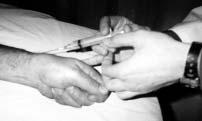
Figure 1. Injection site for de Quervain’s tenosynovitis within the first dorsal compartment (anatomical snuffbox) containing the tendons of extensor pollicis brevis and abductor pollicis longus: Care should be taken not to inject the tendons directly.
design, which differs in the force-displacement characteristics of the keys, significantly reduced hand, forearm, and arm pain.35,45 Steroid injections have been shown to reduce pain in CTS.46 A randomized controlled trial of oral therapies for CTS showed that corticosteroids provided greater benefit than NSAIDs and diuretics, which showed no improvement over baseline.47
Exercises have led to better outcomes than splinting.46 Rozmaryn et al48 showed that patients treated with nerve and tendon gliding exercises with the wrist held in six different positions for 7 seconds at a time helped tendons in the carpal tunnel and the median nerve function freely. Only 43% of patients performing these exercises underwent surgery compared with 71% of the group not performing the exercises.48
A randomized controlled trial by Spence et al49 showed that both EMG biofeedback alone or applied relaxation training alone provided significant short-term reductions in pain and pain-related depressed mood among patients with chronic upper extremity RSIs.49 Electromyographic biofeedback involved auditory feedback regarding muscle tension levels to train patients to minimize such tension. Relaxation training involved a psychologist teaching patients a range of relaxation techniques to be used when conducting activities that involve physical or emotional stress and muscle tension. Ultrasound therapy was shown by a randomized controlled trial to have no effect on RSI recovery compared with placebo.50
An elective surgical procedure successfully relieves pain in most patients within 6 weeks of surgery and has a high rate of patient satisfaction according to a prospective trial by Katz et al.51 Improvement in function after carpal tunnel release can take up to 2 years.51 Carpal tunnel release can be done using intraoperative ultrasonography to minimize exposure and dissection. Several randomized controlled trials, however, show no significant difference between conventional carpal tunnel release and ultrasonographically assisted surgery.52
Treatment of cubital tunnel syndrome is similar in principle to CTS treatment. Conservative treatments with proven efficacy include splinting and steroid injection.53 Surgical management of proven benefit for severe and refractory cases includes partial medial epicondylectomy, cubital tunnel release, and anterior transposition of the ulnar nerve.54-57
Conclusion
Repetitive strain injury continues to be an important health problem, and the epidemic shows no signs of slowing down. It causes a dilemma for physicians and the general public because rising social and financial costs are associated with RSI. Preventing these injuries by ensuring ergonomically sound work environments
| Points |
|---|
| Editor’s key points |
|
| Points de repère du rédacteur |
|
and adequate time away from work is important for decreasing incidence.
Diagnosis of RSIs should be based on history and objective physical findings as well as electrodiagnostic tests when possible. Physicians might not be able to determine a work-related cause but might determine an association with tasks performed on the job. Initial treatment should involve conservative measures such as RICE, NSAIDs, steroid injections, appropriate exercises, and modification of the inciting repetitive tasks. Surgery is reserved for those with persistent symptoms despite maximal non-surgical therapy.
Competing interests
None declared
Correspondence to: Dr William D. Stanish, Department of Surgery, Dalhousie University, 5595 Fenwick St, Suite 311, Halifax, NS B3H 4M2
References
- Schwartz RG. Cumulative trauma disorders. Orthopedics 1992;15(9):1051-3.
- Downs SG. Nonspecific work-related upper extremity disorders. Am Fam Physician 1997;55(4):1296-302.
- Melhom JM. Cumulative trauma disorders and repetitive strain injury. The future. Clin Orthop 1998;351:107-26.
- Yassi S. Repetitive strain injuries. Lancet 1997;349:943-7.
- Ashbury FD. Occupational repetitive strain injuries and gender in Ontario, 1986-1991. J Occup Fam Med 1995;37(4):479-85.
- Millender LH, Louis DS, Simmons BP. Occupation disorder of the upper extremity. New York, NY: Churchill Livingstone Inc; 1992.
- Katz JN, Larson MG, Sabra A, Krarup C, Stirrat CR, Sethi R, et al. The carpal tunnel syndrome: diagnostic utility of the history and physical examination findings. Ann Intern Med 1990;112:321-7.
- Novak CB, Lee GW, Mackinnon SE, Lay L. Provocative testing for cubital tunnel syndrome. J Hand Surg [Am] 1994;19(5):817-20.
- Hoppenfeld S. Physical examination for the spine and extremities. New York, NY: Appleton and Lange; 1992.
- Glowaki KA, Breen CJ, Sachar K, Weiss AP. Electrodiagnostic testing and carpal tunnel release outcome. J Hand Surg [Am] 1996;21(1):117-21.
- Cherniak MG, Moalli D, Viscolli C. A comparison of traditional electrodiagnostic studies, electroneurometry, and vibrometery in the diagnosis of carpal tunnel syndrome. J Hand Surg [Am] 1996;21(1):122-31.
- Anderson MW, Kaplan PA, Dussault RG, Degnan GG. Magnetic resonance imaging of the wrist. Curr Probl Diagn Radiol 1998;27(6):187-229.
- Martin CE, Schweitzer ME. MR imaging of epicondylitis. Skeletal Radiol 1998;27(3):133-8.
- Steinbach LS, Fritz RC, Tirman PF, Uffman M. Magnetic resonance imaging of the elbow. Eur J Radiol 1997;25(3):223-41.
- Bachmann GF, Melzer C, Heinrichs CM, Mohring B, Rominger MB. Diagnosis of rotator cuff lesions: comparison of US and MRI on 38 joint specimens. Eur Radiol 1997;7(2):192-7.
- Jones AO. Magnetic resonance imaging of the supraspinatus tendon: the significance of signal intensity alterations at the ‘critical zone’. Austrlas Radiol 1998;42(2):106-13.
- Bonnel H, Stabler A, Schmitt R. Imaging in sports medicine. Eur J Radiol 1997;26(1):2-15.
- Clevand LG. “RSI”: a model for social iatrogenesis. Med J Aust 1987;147:236-9.
- MacKinnion SE, Novak CB. Repetitive strain in the workplace. J Hand Surg [Am] 1997;22A:2-16.
- Wigley RD. Repetitive strain syndrome, fact not fiction. N Z Med J 1990;103:75-6.
- Hadler NM. Cumulative trauma disorders, an iatrogenic concept. J Occup Med 1990;32(1):38-41.
- Vender MI, Kasdam M, Truppa KL. Upper extremity disorders: a literature review to determine work relatedness. J Hand Surg [Am] 1995;20A:534-41.
- Novak CB, Mackinnon SE. Repetitive use and static postures: a source of nerve compression and pain. J Hand Ther 1997;10(2):151-9.
- Helliwell PS, Mumford DB, Smeathers JE, Wright V. Work related upper limb disorder: the relationship between pain, cumulative load, disability, and psychological factors. Ann Rheum Dis 1992;51(12):1325-9.
- DePalma MT, Weisse CS. Psychological influences on pain perception and nonpharmacologic approaches to the treatment of pain. J Hand Ther 1997;10(2):183-91.
- Hess D. Employee perceived stress. Relationship to the development of repetitive strain injury symptoms. Am Assoc Occup Health Nurses J 1997;45(3):115-23.
- Byl N, Wilson F, Merzenich M, Melnick M, Scott P, Oakes A, et al. Sensory dysfunction associated with repetitive strain injuries of tendinitis and focal hand dystonia: a comparative study. J Orthop Sports Phys Ther 1996;23(4):234-44.
- Byl NN, Melnick M. The neural consequences of repetition: clinical implications of a learning hypothesis. J Hand Ther 1997;10(2):160-74.
- DeStefano F, Nordstrom DL, Vierkant RA. Long-term symptom outcomes of carpal tunnel syndrome and its treatment. J Hand Surg [Am] 1997;22(2):200-10.
- Cole DC, Hudak PL. Prognosis of nonspecific work-related musculoskeletal disorders of the neck and upper extremity. Am J Ind Med 1996;29(6):657-68.
- Smith A. Upper limb disorders—time to relax? Physiotherapy 1996;82(1):31-8.
- Furth HJ, Holm MB, James A. Reinjury prevention follow-through for clients with cumulative trauma disorders. Am J Occup Ther 1994;48(10):890-8.
- Lawler AL, Tomlin G. Educational techniques used in occupational therapy treatment of cumulative trauma disorders of the elbow, wrist, and hand. Am J Occup Ther 1997;51(2):113-8.
- El Hawary R, Stanish WD, Curwin SL. Rehabilitation of tendon injuries in sports. Sports Med 1997;24:347-58.
- Stahl S, Kaufman T. The efficacy of an injection of steroids for medial epicondylitis. A prospective study of sixty elbows. J Bone Joint Surg Am 1997;79(11):1648-52.
- Burnham R, Gregg R, Healy P, Steadward R. The effectiveness of topical diclofenac for lateral epicondylitis. Clin J Sport Med 1998;8(2):78-81.
- Sheon RP. Repetitive strain injury. Postgrad Med 1997;102(4):53-56,62,68,72,75,77-81,85,88.
- Krischek O, Hopf C, Nafe B, Rompe JD. Shock-wave therapy for tennis and golfer’s elbow—1 year follow-up. Arch Orthop Trauma Surg 1999;119(1-2):62-6.
- Kuklo TR, Taylor KF, Murphy KP, Islinger RB, Heekin RD, Baker CL Jr. Arthroscopic release for lateral epicondylitis: a cadaveric model. Arthroscopy 1999;15(3):259-64.
- Goupille P, Sibilia J. Local corticosteroid injections for treatment of rotator cuff tendonitis (except for frozen shoulder and calcific tendonitis). Groupe Rhumatologique Français de l’Épaule (G.R.E.P.). Clin Exp Rheumatol 1996;14(5):561-6.
- Itzkowitch D, Ginsberg F, Leon M, Bernard V, Appelboom T. Peri-articular injection of tenoxicam for painful shoulders: a double-blind, placebo controlled trial. Clin Rheumatol 1996;15(6):604-9.
- Rankin ME, Rankin EA. Injection therapy for management of stenosing tenosynovitis (de Quervain’s disease) of the wrist. J Natl Med Assoc 1998;90(8):474-6.
- Zingas C, Failla JM, Van-Holsbeeck M. Injection accuracy and clinical relief of de Quervain’s tendinitis. J Hand Surg [Am] 1998;23(1):89-96.
- Yuasa K, Kiyoshige Y. Limited surgical treatment of de Quervain’s disease: decompression of only extensor pollicis brevis subcompartment. J Hand Surg [Am] 1998;23(5):840-3.
- Rempel D, Tittiranonda P, Burastero S, Hudes M, So Y. Effect of keyboard keyswitch design on hand pain. J Occup Environ Med 1999;41(2):111-9.
- Feuerstein M, Burrell LM, Miller VI, Lincoln A, Huang GD, Berger R. Clinical management of carpal tunnel syndrome: a 12-year review of outcomes. Am J Ind Med 1999;35(3):232-45.
- Chang MH, Chiang HT, Lee SS, Ger LP, Lo YK. Oral drug of choice in carpal tunnel syndrome. Neurology 1998;51(2):390-3.
- Rozmaryn LM, Dovelle S, Rothman ER, Gorman K, Olvey KM, Bartko JJ. Nerve and tendon gliding exercises and the conservative management of carpal tunnel syndrome. J Hand Ther 1998;11(3):171-9.
- Spence SH, Sharpe L, Newton-John T, Champion D. Effect of EMG biofeedback compared to applied relaxation training with chronic, upper extremity cumulative trauma disorders. Pain 1995;63:199-206.
- Oztas O, Turan B, Bora I, Karakaya MK. Ultrasound therapy effect in carpal tunnel syndrome. Arch Phys Med Rehabil 1998;79(12):1540-4.
- Katz JN, Fossel KK, Simmons BP, Swartz RA, Fossel AH, Koris MJ. Symptoms, functional status, and neuromuscular impairment following carpal tunnel release. J Hand Surg [Am] 1995;20(4):549-55.
- Nakamichi K, Tachibana S. Ultrasonographically assisted carpal tunnel release. J Hand Surg [Am] 1997;22A(5):854-66.
- Hong CZ, Long HA, Kanakamedala RV, Chang YM, Yates L. Splinting and local steroid injection for the treatment of ulnar neuropathy at the elbow: clinical and electrophysiological evaluation. Arch Phys Med Rehabil 1996;77(6):573-7.
- Tsai TM, Chen IC, Majd ME, Lim BH. Cubital tunnel release with endoscopic assistance: results of a new technique. J Hand Surg [Am] 1999;24(1):21-9.
- Asami A, Morisawa K, Tsurata T. Functional outcome of anterior transposition of the vascularized ulnar nerve for cubital tunnel syndrome. J Hand Surg [Br] 1998;23(5):613-6.
- Kaempffe FA, Farbach J. A modified surgical procedure for cubital tunnel syndrome: partial medial epicondylectomy. J Hand Surg [Am] 1998;23(3):492-9.
- Glowacki KA, Weiss AP. Anterior intramuscular transposition of the ulnar nerve for cubital tunnel syndrome. J Shoulder Elbow Surg 1997;6(2):89-96.
EXHIBIT 4

Clifton R. Lacy, M.D.
Commissioner
James E. McGreevey
Governor
Albert G. Kroll
Commissioner
CUMULATIVE TRAUMA DISORDERS IN OFFICE WORKERS
Public Employees Occupational Safety and Health Program
February, 2003
All sedentary workers...suffer from the itch, are a bad color, and in poor condition...for when the body is not kept moving the blood becomes tainted, its waste matter lodges in the skin, and the condition of the whole body deteriorates.
-Bernardino Ramazzini, 1700
Muscle aches and pains are common to many sedentary jobs...when the body is still, circulation is slowed and as a result fewer nutrients are delivered to the muscles, and fewer wastes are removed from the muscles, blood vessels and spinal discs.
- VDT Guidelines, N.J. Department of Health and Senior Services 2003
WHAT ARE CUMULATIVE TRAUMA DISORDERS?
Cumulative trauma disorders (CTDs) are injuries of the musculoskeletal and nervous systems that may be caused by repetitive tasks, forceful exertions, vibrations, mechanical compression (pressing against hard surfaces), or sustained or awkward positions. Cumulative trauma disorders are also called regional musculoskeletal disorders, repetitive motion disorders (RMDs), overuse syndromes, repetitive motion injuries, or repetitive strain injuries.
These painful and sometimes crippling disorders develop gradually over periods of weeks, months, or years. They include the following disorders which may be seen in office workers:
Carpal Tunnel Syndrome - a compression of the median nerve in the wrist that may be caused by swelling and irritation of tendons and tendon sheaths.
Tendinitis - an inflammation (swelling) or irritation of a tendon. It develops when the tendon is repeatedly tensed from overuse or unaccustomed use of the hand, wrist, arm or shoulder.
Tenosynovitis - an inflammation (swelling) or irritation of a tendon sheath associated with extreme flexion and extension of the wrist.
Low Back Disorders - these include pulled or strained muscles, ligaments, tendons, or ruptured disks. They may be caused by cumulative effects of faulty body mechanics, poor posture, and/or improper lifting techniques.
Synovitis - an inflammation (swelling) or irritation of a synovial lining (joint lining).
DeQuervain’s Disease - a type of synovitis that involves the base of the thumb.
Bursitis - an inflammation (swelling) or irritation of the connective tissue surrounding a joint, usually of the shoulder.
Epicondylitis - elbow pain associated with extreme rotation of the forearm and bending of the wrist. The condition is also called tennis elbow or golfer’s elbow.
Thoracic Outlet Syndrome - a compression of nerves and blood vessels between the first rib, clavicle (collar bone), and accompanying muscles as they leave the thorax (chest) and enter the shoulder.
Cervical Radiculopathy - a compression of the nerve roots in the neck.
Ulnar Nerve Entrapment - a compression of the ulnar nerve in the wrist.
Cumulative trauma disorders can also result from activities other than work which involve repetitive motion or sustained awkward positions such as sports or hobbies. Work and non-work activities may together contribute to, aggravate, or accelerate the development of cumulative trauma disorders. This can make it difficult to determine the main cause of CTD in a person. These disorders can also be aggravated by medical conditions such as renal disease, diabetes, rheumatoid arthritis, gout, multiple myeloma, thyroid disorders, amyloid disease and pregnancy.
WHAT ARE THE SYMPTOMS OF CUMULATIVE TRAUMA DISORDERS?
- Numbness
- Swelling
- Pain
- Redness
- Tingling
- Aching
- Decreased Joint Motion
- Burning
- Weakness
- Clumsiness
- Cracking or popping of joints
The above symptoms may involve the upper and lower back, shoulders, elbows, wrists, or fingers. If symptoms last for at least one week, or if they occur on many occasions, a doctor should be consulted.
HOW ARE CUMULATIVE TRAUMA DISORDERS TREATED?
Usually the best treatment for CTDs is rest from the activities that caused the problem, or a change in work practices. It is important that a doctor be seen as soon as the early symptoms of a CTD are recognized. This is because treatment is more successful if the disorder is diagnosed early. The doctor may send you to another doctor who specializes in the nervous system (neurologist) or muscular treatments (physical medicine and rehabilitation) for further tests and treatment.
Medical treatment will vary for each type of CTD. The doctor may prescribe one or more of the following treatments:
- Wrist splint to keep wrist from bending
- Cold and hot baths
- Anti-inflammatory medications
- Steroid injections
- Physical and/or occupational therapy
- Surgery in advanced cases
It is important to remember that each individual and each injury is different. Always see a doctor before taking any medication or starting any therapy on your own. If the disorder is work-related, then the job or work station may also have to be changed. Otherwise, even after successful treatment, the same problems can occur again.
HOW ARE CUMULATIVE TRAUMA DISORDERS PREVENTED?
Posture For VDT Work
Your body posture determines which muscles and joints are used in carrying out an activity. Careful positioning of the body at the video display terminal (VDT) can reduce the likelihood of injury. In some cases, furniture may have to be readjusted or replaced in order to allow for good working postures:
- Wrists should be in a neutral position, that is not bent up or down. Bent wrists can lead to Carpal Tunnel Syndrome.
- Use the least amount of pressure when striking the keys.
- Feet should rest flat on the floor, if not, a foot rest should be used to relieve pressure on the lower back. Dangling legs also add pressure to the thighs which could cut off blood flow to the legs.
- The head should face forward with a slight downward tilt in order to put the least demand on the neck and shoulders. The center of the visual display screen should be between 15-20 degrees below horizontal eye level to achieve the downward tilt of the head.
- The forearm should not be raised too much (elbow angle should be almost a right angle, or within a 70-135 degree range) to avoid neck and shoulder pain.
- The mouse should be placed by the user’s side, close to the body, and at the same level as the keyboard to prevent stress in the shoulders and arms.
- The body should not be twisted. The material being worked on should be placed near the typewriter or video display terminal to reduce twisting which may damage the back. It will also reduce extended reaching, which can strain the back and shoulders.
- Support the lower back and rest it by using the backrest frequently and by supporting the arms.
- Ensure adequate clearance for thighs and feet by keeping areas under the desk and keyboard clear, and by using desks or tables that are high enough. Free movement is important for supporting the back and for circulation in the legs.
- Do not stay in one working posture. Shift positions so muscles are not tensed in the same position for too long.
- Take breaks from VDT work, as described under the “Job Design” section of the “Video Display Terminal Guidelines” developed by New Jersey Department of Health and Senior Services, Public Employees Occupational Safety and Health Program.
Furniture
Office furniture should be designed or modified so that the postures described above can be achieved. For new furniture, detailed specification of chairs, desks, and VDT equipment are listed in the PEOSH VDT Guidelines. Below are some of the key features mentioned in the VDT Guidelines:
- Chairs should be easily adjustable without tools.
- Chairs need to be sufficiently wide and deep.
- Chair heights should be adjustable.
- Chair seat should tilt back and slightly forward.
- Chair seat edges should be rounded (sometimes referred to as water fall).
- Chairs should be upholstered.
- Chair backrests should have lumbar support which is adjustable in height.
- Chairs should have 5 legs and the ability to swivel.
- VDT monitors should tilt and swivel.
- VDT monitors should be positioned and lighting should be adjusted to avoid glare and eye strain, which may force the operator into awkward postures.
- VDT tables should be height-adjustable.
- Soft wristrests should be available.
- Document holders should be available and placed at about the same eye level as the VDT monitor.
- Adjustable foot rests should be available if requested.
Retrofit existing furniture, if it is not adjustable, so that preferred postures can be achieved.
- Some equipment that can be purchased from office furniture dealers includes adjustable, attachable keyboard and mouse trays, adjustable arms or caddies to hold the monitor, short arm rests that can be attached to a chair, cushions for lower back support, and Central Processing Unit (CPU) holders which fit under a desk.
- Use books to raise the height of a monitor; lower the monitor by taking it off the CPU.
- Use a foot rest with chairs that cannot be adjusted to prevent dangling legs.
Exercises for VDT Operators
Certain exercises that can be done at the work station have been devised to help relieve physical stress and strain. These exercises do not substitute for a well-designed work station or a prescribed form of therapy. Consult a physician before beginning to exercise.
Exercise 1 -- Deep Breathing for Overall Relaxation
Inhale through your nose and exhale through your mouth. Repeat 6 times.
Exercise 2 -- Relief of Hand and Finger Tension
Make a tight fist with your hands. Hold for a second and then spread fingers apart as far as you can. Hold for 5 seconds. Repeat 4 times.
Exercise 3 -- Relief of Hand and Wrist Tension
Hold hands in front of you. Raise and lower hands to stretch muscles in the forearm. Repeat 6 times.
Exercise 4 -- Relief of Shoulder Tightness
Raise arms to the sides with elbows straight. Slowly rotate arms in small forward circles. Lower arms. Repeat twice.
Exercise 5 -- Relief of a Stiff Neck
Turn your head slowly from one side to the other. Hold each turn to the count of three. Repeat motion 5 times in each direction.
Exercise 6 -- Relief of Arm Tension
Raise your arms over your head, stretching as high as you can. Hold for three seconds. Then bring your arms down. Rest a moment and then repeat 3 times.
Exercise 7 -- Relief of Shoulder and Back Tension
Raise your hands to shoulders. Keep elbows down. Using arms, push back the shoulders. Hold for 10 seconds and repeat 3 times.
Exercise 8 -- Relief of Lower Back Tension
While sitting, lower your head and slowly roll your body as far forward as you can toward your knees. Hold for 10 seconds. Push yourself up with your leg muscles. Repeat 3 times.
(Caution: Be sure that your chair is stable and does not roll while you are bending).
Exercise 9 -- Relief of Cramping and Tightness in Legs
While sitting, grasp the shin on one leg and pull toward your chest. Hold for 5 seconds. Then do the other leg. Repeat 3 times.
Exercise 10 -- Relief of Eye Fatigue
Roll your eyeballs around clockwise three times, then counterclockwise three times.
Off-Work Activities
Workers who suffer from an occupational CTD should limit the activities they do outside of work that could aggravate the injury. For example, certain hobbies or household chores may aggravate some disorders.
WHAT DOES THE LAW SAY ABOUT CUMULATIVE TRAUMA DISORDERS?
All workers in New Jersey are covered by laws that entitle them to a safe and healthful workplace. Private sector and federal employees are covered by the federal Occupational Safety and Health (OSH) Act and state, county, municipal and public school employees are covered by the New Jersey Public Employees Occupational Safety and Health Act. The agencies that enforce these laws are listed under “Resources.” Neither the Occupational Safety and Health Administration (OSHA) nor New Jersey’s PEOSH Program have specific standards for office design or VDTs. There are, however, certain requirements in both laws that relate to CTDs in office workers.
Recordkeeping
Employers are required to keep a log (NJ OSH 300 Log) of occupational illnesses and injuries during the year, including CTDs. The log is available to employees and the annual summary (NJ OSH 300A Form) must be posted during the months of February through April of the following year.
A CTD is considered an “illness” and, therefore, must be recorded on the NJ OSH 300 Log, if the following conditions exist:
- It is work-related; i.e., work either causes, contributes to, or aggravates symptoms, and
- It is a new case, and
- The CTD results in one or more of the following actions:
- days away from work,
- restricted work, or transfer to another job, or
- medical treatment beyond first aid.
A case is considered complete once the signs and symptoms are gone. If symptoms recur later, then a new listing of the CTD must be recorded on the NJ OSH 300 Log. Judgement of whether an employee has recovered completely will be based on the passage of time since the symptoms last occurred and the physical appearance of the affected area. For additional guidance refer to 29 CFR 1904, OSHA’s recordkeeping rule which New Jersey adopted by reference September 4, 2001.
Exceptions to this rule are back injuries. To avoid confusion, they are considered “injuries” even if they result from repetitive motion or awkward postures. Back injuries must be recorded if they require medical treatment, work restrictions, or a job transfer.
General Duty of the Employer
The PEOSH Act contains a “general duty clause” which requires the employer to keep the workplace free from recognized hazards. For workplaces where VDT operators have CTDs, PEOSH has issued orders to comply and has required an ergonomics program, including the selection of adjustable furniture.
WHAT SHOULD EMPLOYERS DO?
Ergonomics Committee
Ergonomics, the study of fitting workplace conditions and job demands to the workforce, helps to make the job fit the worker rather than forcing the worker to fit the job. Involvement of the workers is key to the success of any ergonomics program. Workers should be informed of and participate in all of the activities listed below, from the selection of the responsible personnel to the implementation and evaluation of any changes made. This can be achieved through a new or existing joint labor/management health and safety committee, a subcommittee, or a new ergonomics committee. The PEOSH booklet “Guide to Effective Joint Labor/Management Safety and Health Committees,” and the information bulletin, “Joint Labor/Management Safety and Health Committees”, available from the New Jersey Department of Health and Senior Services PEOSH Program, provide guidance on the structure and operation of these committees.
Worksite Evaluation
The first thing employers and/or the Ergonomics Committee should do is determine if there is a potential for CTDs. One person (or the Ergonomics Committee) in each organization should be assigned responsibility for making this determination and implementing any necessary changes. This person does not necessarily have to have expertise in occupational health. They should, however, be able to follow the VDT Guidelines. The New Jersey Department of Health and Senior Services PEOSH Program Consultation Project is available to provide free, confidential service and technicial assistance with the interpretation of the VDT Guidelines and other PEOSH Standards. An employer may hire an outside consultant to do the evaluation and assist in implementation of changes. If so, the consultant should be an industrial hygienist, occupational health nurse or physician, with some experience in implementing similar programs. Be sure to ask for and check references. The PEOSH Program can provide a list of local industrial hygiene consultants.
The worksite evaluation should include all or most of these elements:
- A review of injury and illness records (NJ OSH 300 Log) to identify employees or work areas that need attention.
- Interviews with employees and observation of their work stations and practices to determine which workers have the potential for developing CTDs and which workers’ stations comply with the PEOSH VDT Guidelines. Photography or videotaping may be helpful. A sample workstation checklist can be found in Appendix G in the PEOSH VDT Guidelines.
- Administration of a questionnaire to employees to identify which employees or work areas need attention and in what priority order they exist (a sample questionnaire can be obtained from the New Jersey Department of Health and Senior Services PEOSH Program).
- Measurements to determine whether specifications in the PEOSH VDT Guidelines for chairs and tables are met (the checklist in Appendix E of the document can be used).
The worksite evaluation should result in recommendations stating who should receive training, new furniture, or reassignments, and in what priority. Priority should be given to workers who have symptoms, who work long hours (4 or more hours per day) on VDTs, or who do particularly tedious or demanding work.
Furniture
See the discussion of furniture under “How Are Cumulative Trauma Disorders Prevented.”
Training
It is essential to train workers on what postures prevent CTDs, on the importance of taking breaks and exercising, and on how to adjust furniture. Supervisors also need to be aware of these subjects. The PEOSH VDT Guidelines provide a brief discussion and an outline of training programs for both managers and VDT operators. Trainers should be thoroughly familiar with, and understand, the PEOSH VDT Guidelines. Additional information on CTDs can be obtained from OSHA and National Institute for Occupational Safety and Health (NIOSH).
Job Design
Operator input should be included as much as possible in decisions about workstation design and workload. Schedules should allow for at least a 15 minute break every two hours. Shorter breaks (from one to a few minutes) should be permitted as needed.
It is recognized that many organizations operate under the contraints of formal job specifications or formal contract language. To the maximum extent possible within these constraints, no employee should be assigned to continuous high demand VDT work for more than 4 hours per day. High demand work is work that requires constant, rapid, muscular action or fixed positions for extended periods of time, or that is highly repetitive or boring. Machine-paced work and electronic surveillance can be especially stressful if the workload is increased at the same time that a worker’s control over their job is decreased. The PEOSH VDT Guidelines contain recommendations for computer monitoring (see Appendix A).
WHAT SHOULD WORKERS DO?
Ergonomics Committee
Workers should get involved in decisions to evaluate and change their equipment and work practices. This could be done through an existing joint labor/management safety and health committee or by forming an ergonomics committee. If it is not possible to join or form a committee, workers can have input through their supervisors or employee representatives.
Union Programs
Some unions have programs which are focused on CTDs or on safety and health. Many offer training programs and educational materials on office hazards.
Workers’ Compensation
A worker suffering from a job-related injury or occupational disease is entitled to certain benefits under the New Jersey Workers’ Compensation Act. Some of these benefits may include:
- Medical treatment
- Temporary compensation while unable to work
- Permanent disability for workers unable to resume any type of work
- Partial permanent disability for workers able to work but with some lasting effect from the injury or disease
The worker’s compensation system is a “no-fault” system. A worker may file a claim if they believe their injury or illness is job-related. After the claim is filed, an employer or their insurance carrier may contest it. A final determination is made by a judge of compensation.
For more information, including time limitations, about the workers’ compensation law in New Jersey contact the New Jersey State Department of Labor or Rutgers Labor Education Center (see next page).
RESOURCES
Organizations
New Jersey Public Employees Occupational Safety and Health (PEOSH) Program
New Jersey Dept. of Health & Senior Services
PO Box 360
Trenton, NJ 08625-0360
(609) 984-1863
http://www.state.nj.us/health/eoh/peoshweb
Contact the PEOSH Program for information about workplace health regulations, to file a complaint about working conditions, or to request technical assistance from the PEOSH Consultation Project if you are a New Jersey state, county, municipal or public school employee. The PEOSH Program has informational materials as well as a complaint form and consultation request form available on the website. Additionally, the Education and Training Project can assist you by providing free on-site occupational health training to better understand and implement the requirements of health standards.
New Jersey State Department of Labor
Division of Workers’ Compensation
PO Box 381
Trenton, NJ 08625-0381
(609) 292-2516
http://www.nj.gov/labor/wc/wcindex.html
Workers who have been injured or become sick from their job are entitled to Worker’s Compensation to cover lost wages and medical expenses.
Labor Education Center
Rutgers, The State University of New Jersey
Ryders Lane and Clifton Avenue
New Brunswick, NJ 08903
(732) 932-9502 and 932-9505
http://web.rutgers.edu/rulabor
Distributes a helpful booklet entitled A Workers Guide to the New Jersey Workers’ Compensation Law.
PhilaPOSH
Philadelphia Area Project on Occupational Safety and Health
3001 Walnut Street, 5th Floor
Philadelphia, PA 19104
(215) 386-7000
http://www.philaposh.org
Serves South and Central New Jersey.
NYCOSH
New York Committee on Occupational Safety and Health
275 Seventh Avenue, 8th Floor
New York, NY 10001
(212) 627-3900
http://www.nycosh.org
Serves Northern New Jersey.
PhilaPOSH and NYCOSH provide educational materials on job health and safety and referrals.
Occupational Safety and Health Administration (OSHA)
http://www.osha.gov
Contact OSHA for information about work-place health and safety regulations or to file a complaint about working conditions if you work in the private sector.
The local office is in the telephone directory under U.S. Department of Labor, Occupational Safety and Health Administration.
National Institute for Occupational Safety and Health (NIOSH)
Technical Information Center
4676 Columbia Parkway
Cincinnati, OH 45226
1-800-35NIOSH
http://www.cdc.gov/niosh
Provides free literature searches and free information packages on a large variety of work-related issues, including cumulative trauma disorders.
Document Revised by:
Juanita Bynum, M.Ed., CHES
New Jersey Department of Health and Senior Services
Occupational Health Service
Public Employees Occupational Safety and Health Program
P.O. Box 360 • Trenton, NJ 08625-0360
(609) 984-1863
PEOSH PROGRAM
READER RESPONSE CARD
CUMULATIVE TRAUMA DISORDERS IN OFFICE WORKERS
Dear Reader:
Please take a few minutes to help us evaluate this publication. Please check the following:
Check the category that best describes your position:
q manager
q safety professional
q researcher
q employee
q occupational health professional
q health care worker
q educator
q other (specify) _____________________
Check the category that best describes your workplace:
q academia
q state government
q county government
q municipal government
q municipal utilities authority
q labor organization
q other (specify) _____________________
Describe how thoroughly you read this publication:
q cover-to-cover
q sections of interest only (specify) ____________________________________________________
q other (specify) ___________________________________________________________________
How will you use this information (check all that apply):
q change the work environment
q change a procedure
q assist in research
q change training curriculum
q provide information
q copy and distribute
q in training
q not used
q other (specify) _____________________
Which section did you find most useful?
The least useful and why?
Other occupational health topics you would like to see the PEOSH Program develop an information bulletin on.
Other comments and suggestions.
| BUSINESS REPLY MAIL |
|---|
| NO POSTAGE NECESSARY IF MAILED IN THE UNITED STATES |
| FIRST CLASS PERMIT NO. 206 TRENTON, NJ |
| POSTAGE WILL BE PAID BY ADDRESSEE |
| STATE OF NEW JERSEY DEPT OF HEALTH & SENIOR SERVICES PEOSH PROGRAM PO BOX 360 TRENTON, NEW JERSEY 08625-9985 |
EXHIBIT 5
National Health Statistics Reports
Number 189 July 25, 2023
U.S. DEPARTMENT OF HEALTH AND HUMAN SERVICES
Centers for Disease Control and Prevention
National Center for Health Statistics
Repetitive Strain Injuries in Adults in the Past 3 Months: United States, 2021
by Matthew F. Garnett, M.P.H., Nazik Elgaddal, M.S., and Merianne Rose Spencer, M.P.H.
Abstract
Objective—This report describes the percentage of adults aged 18 and over who reported injuries from repetitive strain in the past 3 months by selected sociodemographic characteristics, including age, sex, race and Hispanic origin, and family income. The impacts of these injuries—limitation of usual activity for at least 24 hours and whether a medical professional was consulted for the injuries—are also examined.
Methods—Data from the 2021 National Health Interview Survey were used to estimate the percentage of adults who had repetitive strain injuries in the past 3 months by sociodemographic characteristics. Among those who had a repetitive strain injury in the past 3 months, 24-hour limitation of activity and consultation of a medical professional are also examined by sociodemographic characteristics.
Results—In 2021, for adults aged 18 and over in the United States, 9.0% had repetitive strain injuries in the past 3 months. Adults aged 35–49 (10.3%) and 50–64 (11.6%), White non-Hispanic adults (subsequently, White; 9.5%), and adults with family income at 400% or more of the federal poverty level (9.8%) tended to have higher percentages. For those who had repetitive strain injuries, 44.2% limited their activities for at least 24 hours, with the highest percentages among White adults (47.0%), women (47.1%), and adults with a family income less than 200% of the federal poverty level (51.0%). For those who limited their activity for at least 24 hours due to a repetitive strain injury, 51.4% consulted a doctor or medical professional, with the highest percentages among women (56.3%) and Black non-Hispanic adults (66.2%).
Keywords: pain • musculoskeletal injuries • repetitive motion injury • repetitive stress injury • National Health Interview Survey (NHIS)
Introduction
Repetitive strain injuries, sometimes called repetitive motion or repetitive stress injuries, are injuries that result from the same movement or force over an extended period of time. Such injuries can develop from both recreational activities, such as sports, exercising, or hobbies, as well as occupational (or work-related) activities, such as typing, lifting, and conducting tasks that require a repetitive motion (1). Broadly, these injuries can affect tendons, muscles, nerves, and joints, resulting in pain and limited mobility. They can include conditions such as carpal tunnel syndrome, tennis elbow, and tendonitis (1–3). These conditions can be a source of pain and may require treatment ranging from physical therapy to surgery (4). Depending on the type of injury, repetitive strain injuries may be permanent or temporary and can result in several health consequences including pain, numbness, and a limitation or loss of mobility. Many sources of repetitive strain injuries can be prevented or avoided depending on the activity, for example, by stretching and muscle training, ergonomic modifications, and maintaining appropriate body form when conducting repeated tasks or activities (5–8).
Previous studies of repetitive strain injuries have typically focused on their prevalence during specific tasks or activities, within certain industries or occupations, or on the examination of specific types of repetitive strain injuries. Using the 2021 National Health Interview Survey (NHIS), this report describes the percentage of adults aged 18 and over who reported a repetitive strain injury in the past 3 months by sociodemographic characteristics. This report also provides detail on the impacts of repetitive strain injuries, including the percentage of
NCHS reports can be downloaded from: https://www.cdc.gov/nchs/products/index.htm.
adults with 24-hour limitation of activity in the past 3 months, as well as those who both limited their activities for at least 24 hours and sought medical advice.
Methods
Data source
Data from the 2021 NHIS were used to examine repetitive strain injuries. NHIS is a nationally representative household survey of the U.S. civilian noninstitutionalized population, providing annually collected information on health status, health-related behaviors, and healthcare access and use. The estimates in this report are based on data from the Sample Adult module of the 2021 NHIS, which is administered to a randomly selected adult from each household sampled (9). Estimates in this report are weighted to account for the complex survey design.
Due to the impacts of the COVID-19 pandemic, NHIS interviews were attempted by telephone from January through April 2021 (9), and in-person visits were conducted to follow up on nonresponse, deliver recruitment materials, or conduct interviews when telephone numbers were unknown. From May through December 2021, initial contact and interviews with selected cases were generally performed in person, with follow-up contact and interviews conducted by telephone only if necessary. Depending on local COVID-19 conditions, interviewers were given the flexibility to initially contact households by telephone if needed. In 2021, 62.8% of the Sample Adult interviews were conducted at least partially by telephone (9). The overall NHIS Sample Adult response rate was 50.9%.
Repetitive strain injuries
Information on repetitive strain injuries was collected through a series of survey questions. Introductory language was read before the first question: “The first question is about repetitive strain injuries. By this, we mean injuries caused by repeating the same movement over an extended period. Examples include carpal tunnel syndrome, tennis elbow, or tendonitis.” Three variables were examined: 1) the percentage of adults who experienced a repetitive strain injury in the past 3 months (asked of all respondents), 2) the percentage of adults with a repetitive strain injury who limited their usual activities for at least a day, and 3) the percentage of adults with activity-limiting repetitive strain injuries who sought medical advice or care.
Respondents were considered to have had a repetitive strain injury if they responded yes to having experienced any injuries due to a repetitive strain during the past 3 months. Note that respondents who answered yes to this question may have experienced more than one repetitive strain injury during the past 3 months.
Adults who responded yes to experiencing such an injury in the past 3 months were then asked if any of their injuries were serious enough to limit their usual activities for at least 24 hours. If the respondent answered yes, they were considered to have had activity-limiting repetitive strain injuries in the past 3 months.
Adults who responded yes to limiting their usual activity for at least 24 hours due to a repetitive strain injury were asked if they talked to or saw “a doctor or other health professional” about any of these injuries. If the respondent answered yes, they were considered to have had activity-limiting repetitive strain injuries in the past 3 months that needed medical advice or care.
Selected sociodemographic characteristics
Sociodemographic measures included age group (18–34, 35–49, 50–64, and 65 and over), sex, race and Hispanic origin, and family income as a percentage of the federal poverty level (FPL).
Race and Hispanic origin— Respondents were grouped into four categories: Asian non-Hispanic (subsequently, Asian), Black or African American non-Hispanic (subsequently, Black), White non-Hispanic (subsequently, White), or Hispanic or Latino. These categories were based on responses to two survey questions asking about race and Hispanic or Latino origin, where those characterized as Hispanic or Latino could be of any race or combination of races. People who reported unknown race or ethnicity or multiple races were not reported due to small sample size but were included in the overall analysis and other sociodemographic subanalyses.
Family income—Based on the combined income for all people within a household who were related by blood, marriage or cohabitation, or adoption during the past calendar year. For this analysis, family income was categorized based on the ratio of family income to the FPL set by the U.S. Census Bureau based on the family’s size (10), and grouped into three categories: less than 200%, 200% to less than 400%, and 400% or more. Family income was calculated using NHIS imputed income files (11).
Statistical analysis
Percentages are presented for the three survey questions on repetitive strain injuries, and 95% confidence intervals are generated using the Korn–Graubard method for complex surveys. Estimates are calculated using NHIS survey weights and are representative of the U.S. civilian noninstitutionalized population.
Percentages and their corresponding variances were calculated using SAS-callable SUDAAN version 11.0.3 software (RTI International, Research Triangle Park, N.C.) within SAS version 9.4 software (SAS Institute Inc., Cary, N.C.). All procedures account for the stratified, complex cluster sampling design of NHIS.
Respondents with missing data or unknown information are excluded unless specifically noted. All percentages reported in this analysis meet National Center for Health Statistics standards of reliability (12). Differences in percentages between sociodemographic subgroup characteristics were evaluated using two-sided significance tests at the p < 0.05 level. Trends by family income (as a percentage of FPL) and age group were evaluated using orthogonal polynomials in logistic regression. Terms such as “more likely” and “less likely” indicate a statistically significant difference. Lack of comment regarding the difference between any two estimates does not necessarily mean that the difference was tested and not found to be significant.
Results
Repetitive strain injuries in the past 3 months
Overall, 9.0% of adults reported having repetitive strain injuries in the past 3 months in 2021 (Figure 1, Table 1). Men and women were similar in their reports of injuries due to repetitive strain (9.1% and 9.0%, respectively). Although not statistically significant, percentages varied by age group, from 7.3% among young adults aged 18–34 to 10.3% among adults aged 35–49 and 11.6% among those aged 50–64. The percentage for adults aged 65 and over was 7.0%.
The percentage of adults who had repetitive strain injuries was significantly different between Asian (7.5%) and White (9.5%) adults but not significantly different between White and Black adults (8.6%) (Figure 2, Table 1). Although both White and Black adults tended to have higher percentages compared with Hispanic or Latino (7.3%) and Asian (7.5%) adults, these differences were not significant compared with those for Black adults.
Figure 1. Percentage of adults aged 18 and over with repetitive strain injuries in the past 3 months, by sex and age group: United States, 2021
Total: 9.0
Men: 9.1
Women: 9.0
18–34: 7.3
35–49: 10.3
50–64: 11.6
65 and over: 7.0
1Significant quadratic trend by age (p < 0.05).
NOTES: Results are based on a positive response to the survey question, "During the past 3 months, did you have any injuries due to repetitive strain?" Estimates are based on household interviews of a sample of the U.S. civilian noninstitutionalized population.
SOURCE: National Center for Health Statistics, National Health Interview Survey, 2021.
Adults living in households with higher family incomes were more likely to have repetitive strain injuries. Adults with a family income that was 400% or more FPL reported the highest percentage of having a repetitive strain injury (9.8%) compared with lower income groups (8.5% among adults at 200% to less than 400% FPL, and 8.4% among those at less than 200% FPL).
Limitation of usual activities following serious repetitive strain injuries
In 2021, 44.2% of adults who had repetitive strain injuries in the past 3 months reported that their injuries were serious enough to limit their activities for at least 24 hours (Figure 3, Table 2). Women were more likely to have limited their activities for at least 24 hours (47.1%) than men (41.1%). Adults aged 50–64 were more likely to limit their activities for at least 24 hours (47.8%) than those aged 35–49 (40.0%) and 65 and over (41.5%) with repetitive strain injuries. Those aged 18–34 also tended to report a higher percentage of activity limitation (46.1%), but the differences were not significant.
White adults with repetitive strain injuries were more likely to limit their activities for 24 hours (47.0%) compared with other races and Hispanic-origin groups (Figure 4, Table 2). Asian adults had lower rates (27.3%) than White (47.0%) and Hispanic or Latino (39.6%) adults. Asian adults also had lower rates than Black adults (36.0%), although the difference was not significant. Adults with family incomes of less than 200% FPL were more likely to limit their activities following a repetitive strain injury (51.0%) compared with those having family incomes of 200% to less than 400% FPL (41.3%) and 400% or more FPL (42.2%).
Seeking medical advice or care for activity-limiting repetitive strain injuries
Among adults with activity-limiting repetitive strain injuries, 51.4% sought medical care by consulting a doctor or health professional (Figure 5, Table 3). Men were less likely to seek medical
Figure 2. Percentage of adults aged 18 and over with repetitive strain injuries in the past 3 months, by race, Hispanic origin, and family income: United States, 2021
Total: 9.0
Asian, non-Hispanic: 1, 7.5
Black or African American, non-Hispanic: 8.6
White, non-Hispanic: 9.5
Hispanic or Latino: 1, 2, 7.3
Less than 200% FPL: 3, 8.4
200% to less than 400% FPL: 3, 8.5
400% or more FPL: 9.8
1Significantly different from White non-Hispanic adults (p < 0.05).
2People of Hispanic origin may be of any race.
3Significantly different from 400% or more FPL (p < 0.05).
NOTES: Results are based on a positive response to the survey question, “During the past 3 months, did you have any injuries due to repetitive strain?” Adults categorized as Asian non-Hispanic, Black non-Hispanic, or White non-Hispanic indicated one race only. FPL is federal poverty level, which is based on the ratio of the family’s income in the previous calendar year to the appropriate poverty threshold defined by the U.S. Census Bureau. Estimates are based on household interviews of a sample of the U.S. civilian noninstitutionalized population.
SOURCE: National Center for Health Statistics, National Health Interview Survey, 2021.
Figure 3. Percentage of adults aged 18 and over with repetitive strain injuries in the past 3 months who limited their activities for at least 24 hours, by sex and age group: United States, 2021
Total: 44.2
Men: 1, 41.1
Women: 47.1
18–34: 46.1
35–49: 40.0
50–64: 2,3, 47.8
65 and over: 41.5
1Significantly different from women (p < 0.05).
2Significantly different from adults aged 35–49 (p < 0.05).
3Significantly different from adults aged 65 and over (p < 0.05).
NOTES: Results are based on positive responses to two survey questions: “During the past 3 months, did you have any injuries due to repetitive strain?” and “Were any repetitive strain injuries serious enough to limit your usual activities for at least 24 hours?” Estimates are based on household interviews of a sample of the U.S. civilian noninstitutionalized population.
SOURCE: National Center for Health Statistics, National Health Interview Survey, 2021.
Figure 4. Percentage of adults aged 18 and over with repetitive strain injuries in the past 3 months who limited their activities for at least 24 hours, by race, Hispanic origin, and family income: United States, 2021
Total: 44.2
Asian, non-Hispanic: 1,2, 27.3
Black or African American, non-Hispanic: 1, 36.0
White, non-Hispanic: 2, 47.0
Hispanic or Latino: 1,3, 39.6
Less than 200% FPL: 4, 51.0
200% to less than 400% FPL: 41.3
400% or more FPL: 42.2
1Significantly different from White non-Hispanic adults (p < 0.05).
2Significantly different from Hispanic or Latino adults (p < 0.05).
3People of Hispanic origin may be of any race.
4Significantly different from other income groups (p < 0.05).
NOTES: Results are based on positive responses to two survey questions: “During the past 3 months, did you have any injuries due to repetitive strain?” and “Were any repetitive strain injuries serious enough to limit your usual activities for at least 24 hours?” Adults categorized as Asian non-Hispanic, Black non-Hispanic, or White non-Hispanic indicated one race only. FPL is federal poverty level, which is based on the ratio of the family’s income in the previous calendar year to the appropriate poverty threshold defined by the U.S. Census Bureau. Estimates are based on household interviews of a sample of the U.S. civilian noninstitutionalized population.
SOURCE: National Center for Health Statistics, National Health Interview Survey, 2021.
Figure 5. Percentage of adults aged 18 and over who consulted a medical professional for repetitive strain injuries in the past 3 months that limited their activities for at least 24 hours, by sex and age group: United States, 2021
Total: 51.4
Men: 1, 45.5
Women: 56.3
18–34: 2, 42.4
35–49: 46.7
50–64: 56.8
65 and over: 61.3
1Significantly different from women (p < 0.05).
2Significant linear trend by age (p < 0.05).
NOTES: Results are based on positive responses to three survey questions: “During the past 3 months, did you have any injuries due to repetitive strain?”; “Were any repetitive strain injuries serious enough to limit your usual activities for at least 24 hours?”; and “During the past 3 months, did you talk to or see a doctor or other health professional about your repetitive strain injuries?” Estimates are based on household interviews of a sample of the U.S. civilian noninstitutionalized population.
SOURCE: National Center for Health Statistics, National Health Interview Survey, 2021.
care for activity-limiting repetitive strain injuries (45.5%) than women (56.3%). Younger adults aged 18–34 and 35–49 were less likely to consult with a medical professional (42.4% and 46.7%, respectively) for their repetitive strain injuries than adults in older age groups (56.8% of adults aged 50–64 and 61.3% of those aged 65 and over).
Black adults with an activity-limiting repetitive strain injury were more likely to consult a doctor or health professional (66.2%) compared with White (50.9%) and Hispanic or Latino (49.3%) adults (Figure 6, Table 3). Percentages of adults consulting a doctor or health professional were not significantly different based on family income.
Discussion
This report estimates the percentage of U.S. adults who reported having repetitive strain injuries in the past 3 months, and the impact of these injuries including the limitation of usual activities and seeking medical care or advice. In 2021, 9.0% of adults experienced repetitive strain injuries in the past 3 months, with almost one-half of those respondents indicating their injuries were serious enough to limit their activities for 24 hours (44.2%). Further, of the 44.2% who were limited in their activities, just over one-half consulted a doctor or medical professional (51.4%).
Although the percentages of men and women reporting repetitive strain injuries were similar, women were more likely to experience injuries that limited their activities and more likely to consult a medical professional as a result. Middle-aged adults (aged 35–49 and 50–64) were most likely to have repetitive strain injuries compared with younger adults aged 18–34 and older adults aged 65 and over. Limitation of activities among adults who had repetitive strain injuries varied by age group. However, consulting with a medical professional was more common among older age groups, with adults 65 and over reporting the highest percentages of seeking medical advice or care. White adults had higher percentages of repetitive strain injuries and were most likely to limit their daily activities. However, among those who had to limit daily activities because of an injury, Black adults were most likely to consult a medical professional. Those with higher family incomes were more likely to have repetitive strain injuries, but those with lower family incomes were more likely to have limited their activities following a repetitive strain injury. However, no significant difference was found in seeking medical advice or care based on family income.
Repetitive strain injuries are an overarching term for a wide array of specific conditions, which can stem from a variety of causes. While this analysis considers all repetitive strain injuries, note that each condition and cause may impact different demographic subgroups disproportionately. For example, recreational activities more
Figure 6. Percentage of adults aged 18 and over who consulted a medical professional for repetitive strain injuries in the past 3 months that limited their activities for at least 24 hours, by race, Hispanic origin, and family income: United States, 2021
Total: 51.4
Asian, non-Hispanic: *
Black or African American, non-Hispanic: 66.2
White, non-Hispanic: 1, 50.9
Hispanic or Latino: 1,2, 49.3
Less than 200% FPL: 51.7
200% to less than 400% FPL: 55.3
400% or more FPL: 49.0
* Percentage does not meet National Center for Health Statistics standards of reliability.
1Significantly different from Black or African American non-Hispanic adults (p < 0.05).
2People of Hispanic origin may be of any race.
NOTES: Results are based on positive responses to three survey questions: “During the past 3 months, did you have any injuries due to repetitive strain?”; “Were any repetitive strain injuries serious enough to limit your usual activities for at least 24 hours?”; and “During the past 3 months, did you talk to or see a doctor or other health professional about your repetitive strain injuries?” Adults categorized as Asian non-Hispanic, Black non-Hispanic, or White non-Hispanic indicated one race only. FPL is federal poverty level, which is based on the ratio of the family’s income in the previous calendar year to the appropriate poverty threshold defined by the U.S. Census Bureau. Estimates are based on household interviews of a sample of the U.S. civilian noninstitutionalized population.
SOURCE: National Center for Health Statistics, National Health Interview Survey, 2021.
often undertaken by certain groups could increase the risk of repetitive strain injuries (6). Workplace activities can also be a risk factor—jobs requiring extensive physical labor with repetitive motions and awkward movement angles, as well as more sedentary office jobs with prolonged exposure to poor ergonomics and rigid repetitive movements, can result in relevant conditions.
Limitations
This report has several limitations. Responses to survey questions on repetitive strain injuries were all based on self-report. Although an interview prompt defines what are considered repetitive strain injuries and provides examples, respondents may misreport or not report a repetitive strain injury. Regarding medical consultation for repetitive strain injuries, the question asks if respondents talked to or saw “a doctor or other health professional” for their injury. Affirmative responses to this may have a variety of meanings including requiring surgery, visiting a doctor, consulting a work-based first-aid station, or discussing the issue with a clinician by phone. Additionally, to limit recall bias, respondents were limited to discussing repetitive strain injuries for the past 3 months, and, as a result, percentages presented here should not be compared with estimates of annual prevalence. Lastly, although all findings reported in this analysis meet National Center for Health Statistics standards of reliability, due to the subset (nested) nature of the follow-up questions on activity limitation and seeking medical advice, the ability (power) to detect significant differences between selected sociodemographic subgroups was limited by sample size (12).
References
- Yassi A. Repetitive strain injuries. Lancet 349(9056):943–7. 1997.
- Cole DC, Ibrahim S, Shannon HS. Predictors of work-related repetitive strain injuries in a population cohort. Am J Public Health 95(7):1233–7. 2005.
- van Tulder M, Malmivaara A, Koes B. Repetitive strain injury. Lancet 369(9575):1815–22. 2007.
- Bot SDM, van der Waal JM, Terwee CB, van der Windt DAWM, Schellevis FG, Bouter LM, Dekker J. Incidence and prevalence of complaints of the neck and upper extremity in general practice. Ann Rheum Dis 64(1):118–23. 2005.
- Nunes IL, McCauley Bush P. Chapter 1: Work-related musculoskeletal disorders assessment and prevention. In: Nunes IL, editor. Ergonomics–A systems approach. Rijeka, Croatia: InTech. 2012.
- Liu H, Garrett WE, Moorman CT, Yu B. Injury rate, mechanism, and risk factors of hamstring strain injuries in sports: A review of the literature. J Sport Health Sci 1(2):92–101. 2012.
- Wanivenhaus F, Fox AJS, Chaudhury S, Rodeo SA. Epidemiology of injuries and prevention strategies in competitive swimmers. Sports Health 4(3):246–51. 2012.
- National Research Council, Institute of Medicine. Musculoskeletal disorders and the workplace: Low back and upper extremities. Commission on Behavioral and Social Sciences and Education, Panel on Musculoskeletal Disorders and the Workplace. Washington, DC: National Academies Press. 2001.
- National Center for Health Statistics. National Health Interview Survey: 2021 survey description. 2022. Available from: https://ftp.cdc.gov/pub/Health_Statistics/NCHS/Dataset_Documentation/NHIS/2021/srvydesc-508.pdf.
- U.S. Census Bureau. Poverty thresholds. Available from: https://www.census.gov/data/tables/time-series/demo/income-poverty/historical-poverty-thresholds.html.
- National Center for Health Statistics. Multiple imputation of family income in 2021 National Health Interview Survey: Methods. 2022. Available from: https://ftp.cdc.gov/pub/Health_Statistics/NCHS/Dataset_Documentation/NHIS/2021/NHIS2021-imputation-techdoc-508.pdf.
- Parker JD, Talih M, Malec DJ, Beresovsky V, Carroll M, Gonzalez Jr JF, et al. National Center for Health Statistics data presentation standards for proportions. National Center for Health Statistics. Vital Health Stat 2(175). 2017. Available from: https://www.cdc.gov/nchs/data/series/sr_02/sr02_175.pdf.
| Selected characteristic | Percent (95% confidence interval) |
|---|---|
| Total | 9.0 (8.6, 9.5) |
| Sex | |
| Men | 9.1 (8.5, 9.7) |
| Women | 9.0 (8.4, 9.6) |
| Age group | |
| 18–34 | 7.3 (6.6, 8.2) |
| 35–49 | 10.3 (9.5, 11.2) |
| 50–64 | 11.6 (10.7, 12.5) |
| 65 and over | 7.0 (6.4, 7.6) |
| Race and Hispanic origin | |
| Asian, non-Hispanic | 7.5 (6.1, 9.0) |
| Black or African American, non-Hispanic | 8.6 (7.2, 10.1) |
| White, non-Hispanic | 9.5 (9.0, 10.0) |
| Hispanic or Latino | 7.3 (6.3, 8.4) |
| Family income level | |
| Less than 200% FPL | 8.4 (7.6, 9.2) |
| 200% to less than 400% FPL | 8.5 (7.7, 9.3) |
| 400% or more FPL | 9.8 (9.2, 10.4) |
NOTES: Data are based on a positive response to the survey question, “During the past 3 months, did you have any injuries due to repetitive strain?” Adults categorized as Hispanic may be of any race or combination of races. Adults categorized as Asian non-Hispanic, Black non-Hispanic, or White non-Hispanic indicated one race only. FPL is federal poverty level, which is based on the ratio of the family’s income in the previous calendar year to the appropriate poverty threshold defined by the U.S. Census Bureau. Confidence intervals are calculated using the Korn–Graubard method for complex surveys. Estimates are based on household interviews of a sample of the U.S. civilian noninstitutionalized population.
SOURCE: National Center for Health Statistics, National Health Interview Survey, 2021.
| Selected characteristic | Percent (95% confidence interval) |
|---|---|
| Total | 44.2 (41.8, 46.6) |
| Sex | |
| Men | 41.1 (38.0, 44.3) |
| Women | 47.1 (43.7, 50.4) |
| Age group | |
| 18–34 | 46.1 (40.6, 51.6) |
| 35–49 | 40.0 (35.9, 44.3) |
| 50–64 | 47.8 (44.0, 51.7) |
| 65 and over | 41.5 (37.1, 45.9) |
| Race and Hispanic origin | |
| Asian, non-Hispanic | 27.3 (19.1, 36.7) |
| Black or African American, non-Hispanic | 36.0 (28.3, 44.3) |
| White, non-Hispanic | 47.0 (44.3, 49.7) |
| Hispanic or Latino | 39.6 (33.1, 46.5) |
| Family income level | |
| Less than 200% FPL | 51.0 (45.7, 56.2) |
| 200% to less than 400% FPL | 41.3 (36.9, 45.8) |
| 400% or more FPL | 42.2 (38.9, 45.5) |
NOTES: Data are based on positive responses to two survey questions: “During the past 3 months, did you have any injuries due to repetitive strain?” and “Were any repetitive strain injuries serious enough to limit your usual activities for at least 24 hours?” Adults categorized as Hispanic may be of any race or combination of races. Adults categorized as Asian non-Hispanic, Black non-Hispanic, or White non-Hispanic indicated one race only. FPL is federal poverty level, which is based on the ratio of the family’s income in the previous calendar year to the appropriate poverty threshold defined by the U.S. Census Bureau. Confidence intervals are calculated using the Korn–Graubard method for complex surveys. Estimates are based on household interviews of a sample of the U.S. civilian noninstitutionalized population.
SOURCE: National Center for Health Statistics, National Health Interview Survey, 2021.
| Selected characteristic | Percent (95% confidence interval) |
|---|---|
| Total | 51.4 (48.1, 54.7) |
| Sex | |
| Men | 45.5 (40.4, 50.7) |
| Women | 56.3 (51.8, 60.7) |
| Age group | |
| 18–34 | 42.4 (34.6, 50.5) |
| 35–49 | 46.7 (40.2, 53.3) |
| 50–64 | 56.8 (51.3, 62.2) |
| 65 and over | 61.3 (54.4, 67.8) |
| Race and Hispanic origin | |
| Asian, non-Hispanic | * |
| Black or African American, non-Hispanic | 66.2 (56.0, 75.4) |
| White, non-Hispanic | 50.9 (46.9, 54.9) |
| Hispanic or Latino | 49.3 (38.4, 60.2) |
| Family income level | |
| Less than 200% FPL | 51.7 (45.2, 58.2) |
| 200% to less than 400% FPL | 55.3 (48.0, 62.4) |
| 400% or more FPL | 49.0 (44.1, 53.9) |
* Estimate does not meet National Center for Health Statistics standards of reliability.
NOTES: Data are based on positive responses to three survey questions: “During the past 3 months, did you have any injuries due to repetitive strain?”; “Were any repetitive strain injuries serious enough to limit your usual activities for at least 24 hours?”; and “During the past 3 months, did you talk to or see a doctor or other health professional about your repetitive strain injuries?” Adults categorized as Hispanic may be of any race or combination of races. Adults categorized as Asian non-Hispanic, Black non-Hispanic, or White non-Hispanic indicated one race only. FPL is federal poverty level, which is based on the ratio of the family’s income in the previous calendar year to the appropriate poverty threshold defined by the U.S. Census Bureau. Confidence intervals are calculated using the Korn–Graubard method for complex surveys. Estimates are based on household interviews of a sample of the U.S. civilian noninstitutionalized population.
SOURCE: National Center for Health Statistics, National Health Interview Survey, 2021.
For more NCHS NHSRs, visit:
https://www.cdc.gov/nchs/products/nhsr.htm.
For e-mail updates on NCHS publication releases, subscribe online at: https://www.cdc.gov/nchs/email-updates.htm.
For questions or general information about NCHS: Tel: 1–800–CDC–INFO (1–800–232–4636) • TTY: 1–888–232–6348
Internet: https://www.cdc.gov/nchs • Online request form: https://www.cdc.gov/info • CS340959
Suggested citation
Garnett MF, Elgaddal N, Spencer MR. Repetitive strain injuries in adults in the past 3 months: United States, 2021. National Health Statistics Reports; no 189. Hyattsville, MD: National Center for Health Statistics. 2023.
DOI: https://dx.doi.org/10.15620/cdc:129848.
Copyright information
All material appearing in this report is in the public domain and may be reproduced or copied without permission; citation as to source, however, is appreciated.
National Center for Health Statistics
Brian C. Moyer, Ph.D., Director
Amy M. Branum, Ph.D., Associate Director for Science
Division of Analysis and Epidemiology
Irma E. Arispe, Ph.D., Director
Julie D. Weeks, Ph.D., Acting Associate Director for Science
EXHIBIT 6
Navigating Workers' Compensation for Repetitive Stress Injuries
Related Practices & Jurisdictions
The term ‘repetitive stress injury’ covers a wide variety of conditions. A Repetitive stress or strain injury happens when too much stress is placed on a given body part and can result in pain, swelling, muscle strains, and tissue damage. If your job involves performing the same task over and over, whether it’s data entry work, loading and unloading delivery trucks each day, stockings shelves, or operating heavy equipment, you are at risk for a repetitive stress injury.
Are repetitive stress injuries real?
Worker's compensation insurance companies generally don’t think so. I’ve represented multiple workers’ compensation clients in which Insurance carriers have initially denied that a repetitive stress injury was caused by work – that the day in, day out repetitive stress on the hands and wrists from work in a laundry room or performing data entry did not cause or contribute to Carpal Tunnel Syndrome, for example. In other cases, the carrier claimed that only the most extreme activities, such as operating a jack hammer 8 hours a day or constantly slamming a button with the palm of your hand all day, could cause an injury. When a person performs the same activity over
and over, it can lead to chronic conditions such as Carpal Tunnel Syndrome, tears of tendons and ligaments, inflammatory conditions such as arthritis or Chronic Regional Pain Syndrome. This is the opinion set forth by the Supreme Court of New Jersey as well as respected medical institutions ranging from the National Institute of Health (NIH) and the American Academy of Orthopedic Surgeons.
Before an insurance carrier will accept your claim, it will be necessary to
- prove that you performed a certain repetitive activity, and
- prove that you suffer from an injury or condition that the activity can cause.
This is why you’ll need an attorney.
A good example of a job in the public eye that is susceptible to a repetitive stress injuries is a Major League Baseball pitcher. A pitcher trains for years just to be able to perform the same throwing motion over and over. The career length of a pitcher depends on how long his shoulder and arm will hold up, specifically due to the repetitive throwing motion. It is now common for younger pitchers to have limits to the number of pitches they throw in a game and the total innings they can throw in a season.
Can you imagine if this happened at your job? If for instance, UPS or FedEx shut workers down after 9 months to prolong their careers, or a data entry employee being told not to type after a certain number of keystrokes in a given day – businesses won’t do this because it is not profitable, it’s unproductive, and would be akin to admitting the repetitive nature of the work causes injuries.
Whether a job is considered light duty or heavy duty is not the determining factor in whether you are at risk for a repetitive stress injury, it is the specific
nature of the activity. What usually differs between jobs is the type of injury. It is more common for a desk worker to develop carpal tunnel syndrome, the restriction of the carpal canal in the wrists, thereby pushing on the nerves, as opposed to a back injury or rotator cuff tear. Whereas, heavy duty labor, such as mixing concrete or loading and unloading a delivery truck, may be more likely to lead to chronic rotator cuff tears or a disc herniation in the neck and back. An electrician who works with his hands all day could develop carpal tunnel syndrome while an office worker who constantly reaches overhead for files could develop neck or shoulder problems.
The main thing to be aware of is that performing the same activity day in, and day out can eventually cause serious physical problems. Because these injuries usually do not connect to one specific accident or injury, it can be hard for a worker to prove an insurance carrier should accept responsibility. Preventive measures such as proper ergonomics and exercise to strengthen affected body parts are very important, but these will not always help.